
Industrial assembly:
from preparation to sign-off.
Assembly and dismantling of industrial machinery and plants, mechanical modifications, metal fabrication and welding. The work is followed from preparation through positioning, connection and final verification of the plant.
- From preparation to sign-offHow an assembly is closed
- On site or in the workshopWherever it is needed
- Multi-brandIndependent of the manufacturer
IVEL Energy Group assembles, dismantles and modifies industrial machines and plants: metal fabrication, welding, base frames, guards and mechanical modifications, from preparation and positioning through to functional verification. We answer within 8 hours and attend within 24–48 hours, across Italy and Europe; 24/7 for urgent breakdowns.
From preparation
to final verification.
An assembly is not a single operation: it is a sequence in which every step decides how reliable the next one will be. It is also the moment when doing it properly costs little and rushing costs a lot.
Preparation
Surveys, foundations and groundwork. The stage nobody sees, and the one that determines half the failures of the next three years.
Assembly
Positioning and assembling industrial machines and plants, with alignments measured rather than estimated.
Dismantling and relocation
Removal, transport and reinstallation of plants, with a record of how they were before being opened.
Fabrication and welding
Structures, supports, bases and structural repairs on machines already in service.
Technical modifications
Changes designed to improve reliability and make future maintenance easier: one more access point today is one less stoppage tomorrow.
Connection and verification
Connections, testing and final sign-off: a plant is assembled when it works, not when it is standing up.
From the supporting structure
to the final connection.
Assembling a plant means bringing together a structure, mechanics, hydraulics and an electrical system that have to work as one. Whoever only does the steelwork delivers a frame, not a machine.
The machines and components
- Industrial machines
- Process plants
- Steel structures
- Supports and bases
- Piping and connections
- Guards and protections
- Components to be modified
The systems we work on
- Mechanical systems
- Electrical systems
- Fabrication and welding
- Alignment and anchoring
Many failures
are born at assembly.
People who repair machines every day recognise the failures that begin at assembly: approximate alignments, inadequate anchoring, connections never verified. They are defects that do not show on day one and appear in year two, always as the failure of innocent components. That is why we take care over preparation and document the final checks.
Approximate alignment
A misalignment of a few tenths gets paid for by bearings and couplings. It is measured with an instrument, not by eye, and recorded.
Inadequate anchoring
A machine vibrating more than it should often has no mechanical problem: it has a base that does not hold it still enough.
Welding on structures in service
Material, thickness and load condition are assessed before striking an arc: a structural repair done badly moves the problem, it does not remove it.
Maintenance that cannot be done
If changing a filter means dismantling half the machine, that filter will not get changed. Change the access, and the maintenance starts happening on its own.
Connections never verified
Final testing is not a formality: it is when you find what you would otherwise find in production.
People who repair machines
assemble them differently.
We spend most of our time repairing plants assembled by others, and that teaches one thing: a large share of recurring failures was decided on the day of assembly. That is why we can make technical modifications designed to improve reliability and make future maintenance easier — which is the cheapest kind of maintenance there is: the kind that is easy to do.
Fewer built-in failures
An assembly done properly removes years of recurring faults.
Safety
Guards, protections and anchoring are part of the assembly, not an afterthought.
Easier maintenance
An access planned today is a half-hour job instead of a half-day one.
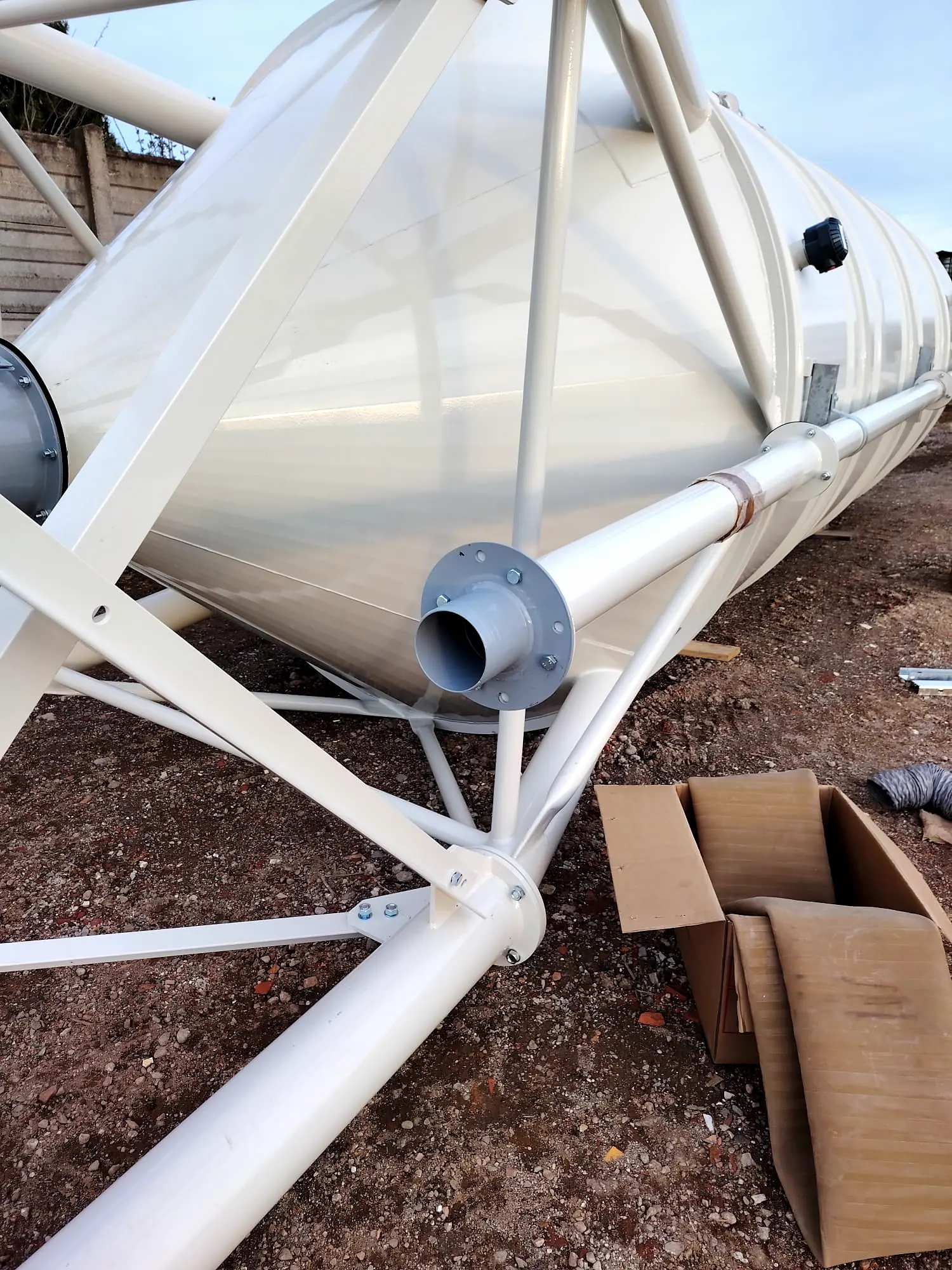
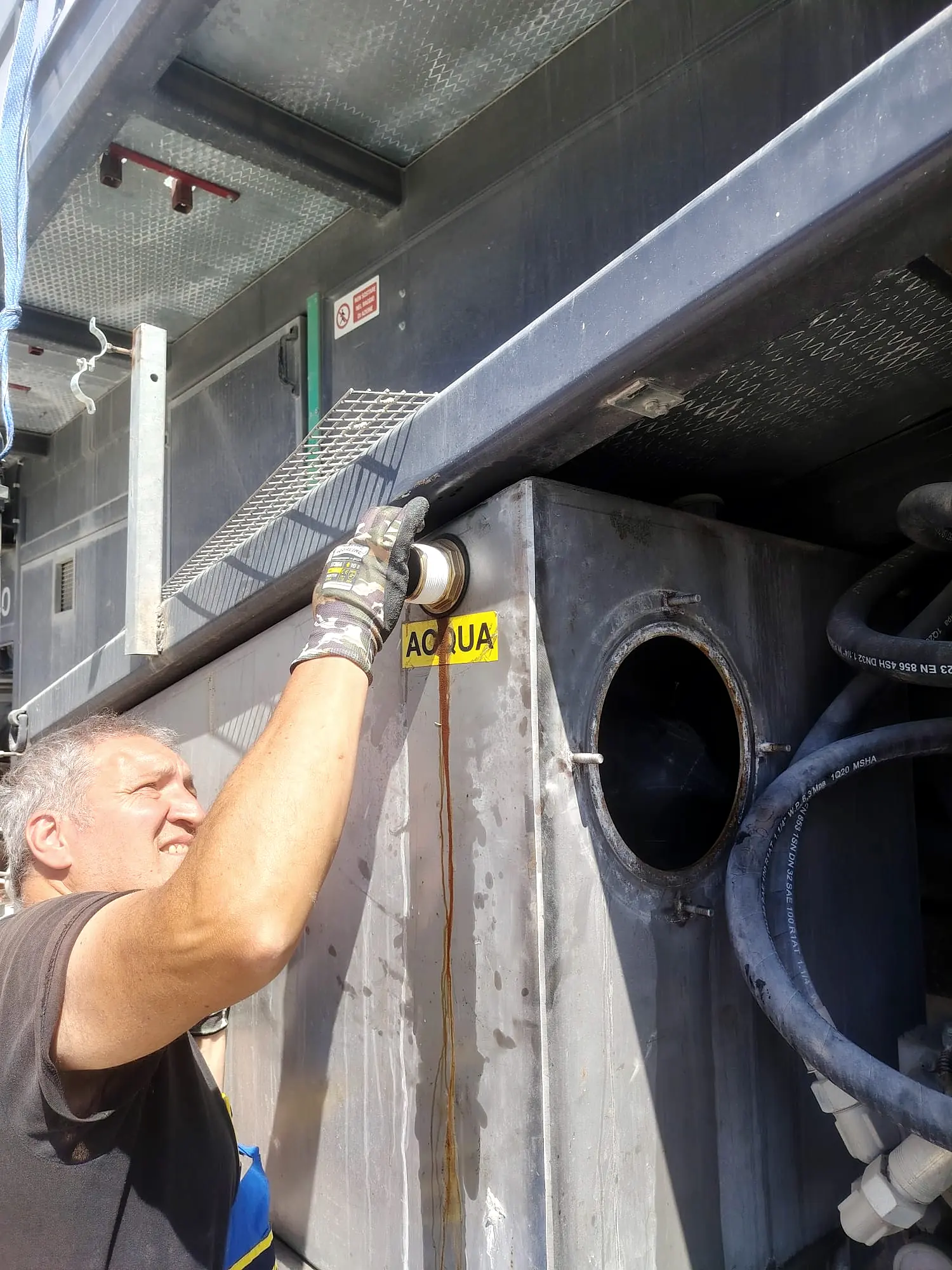
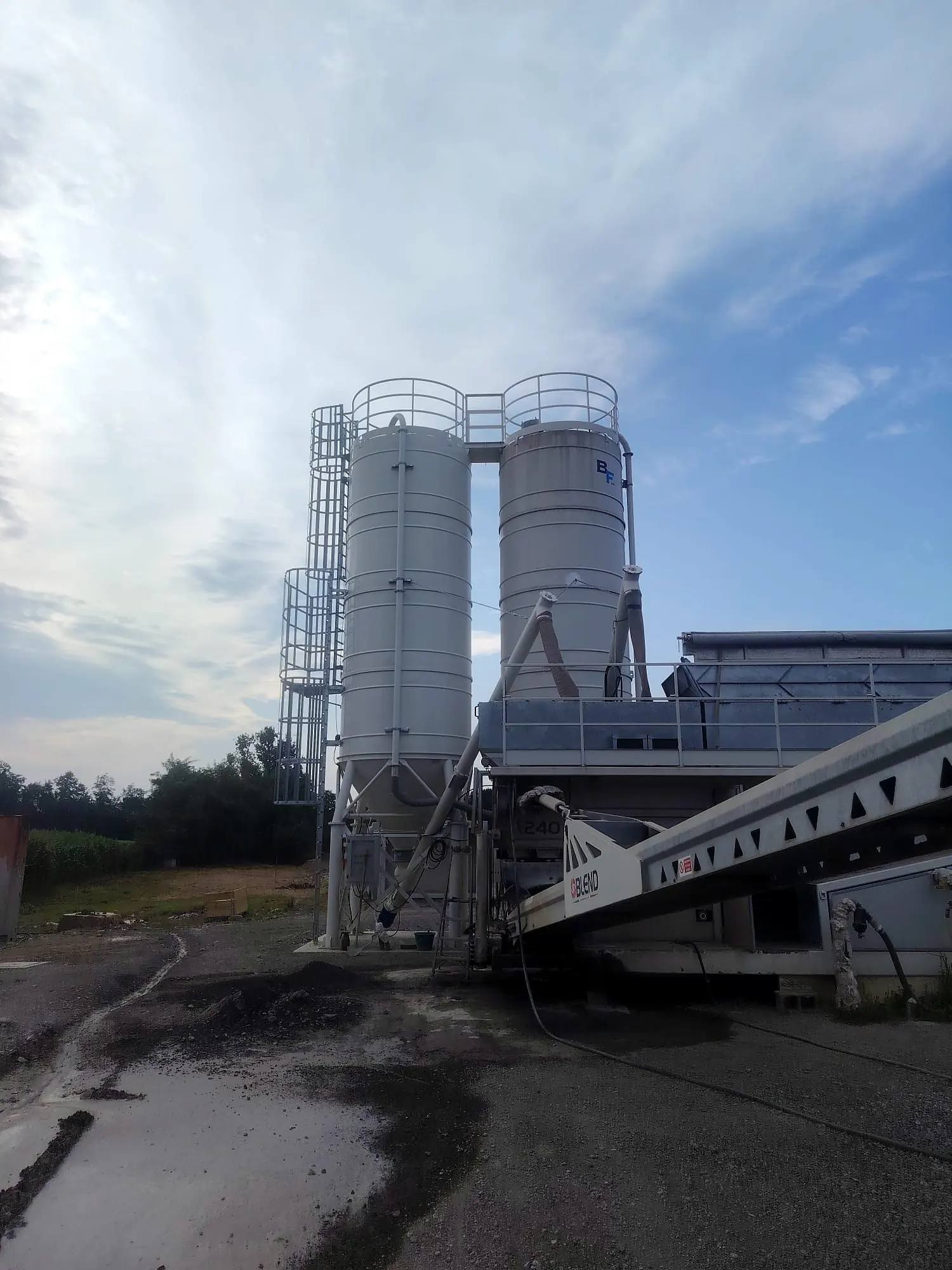
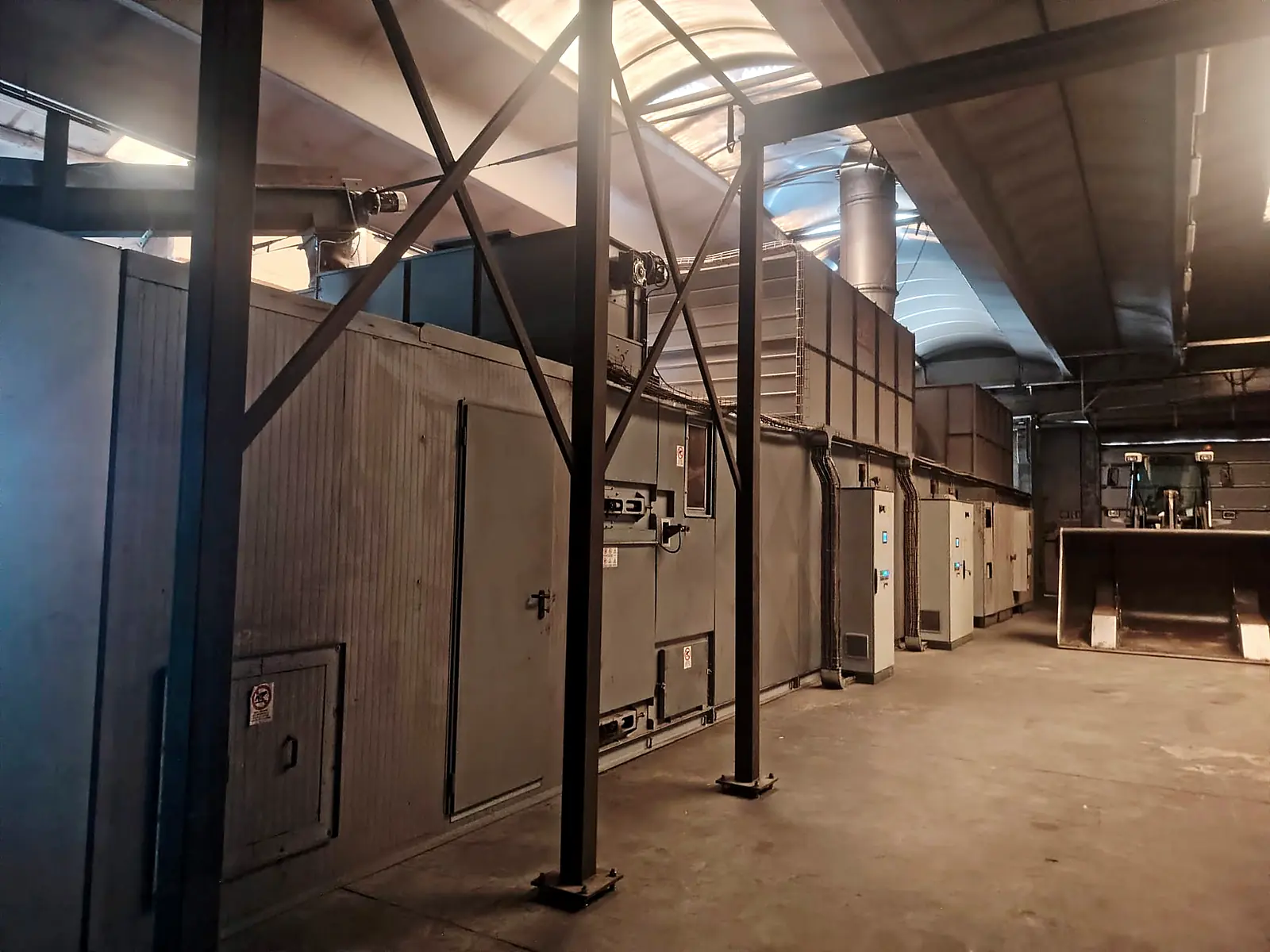
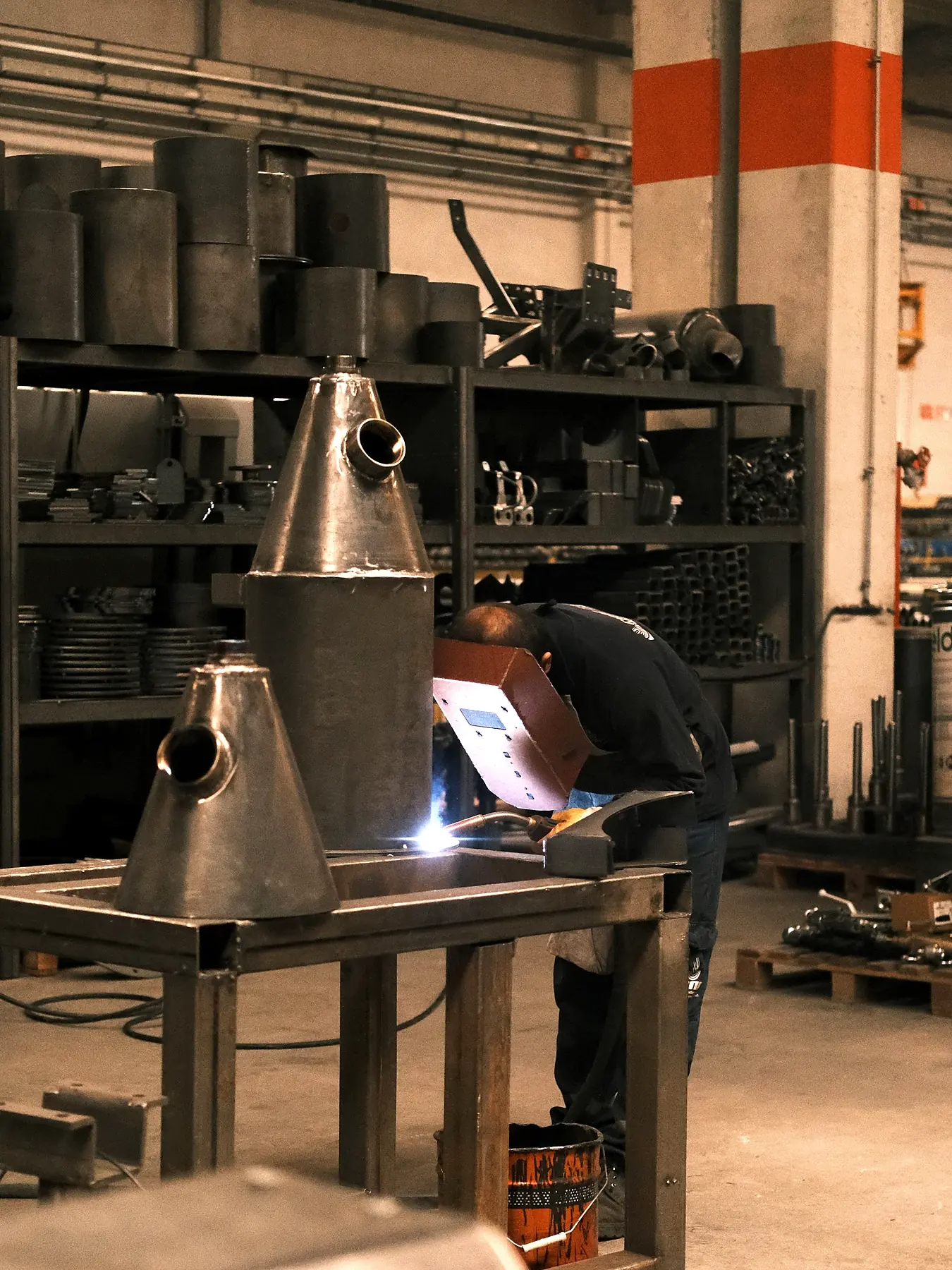
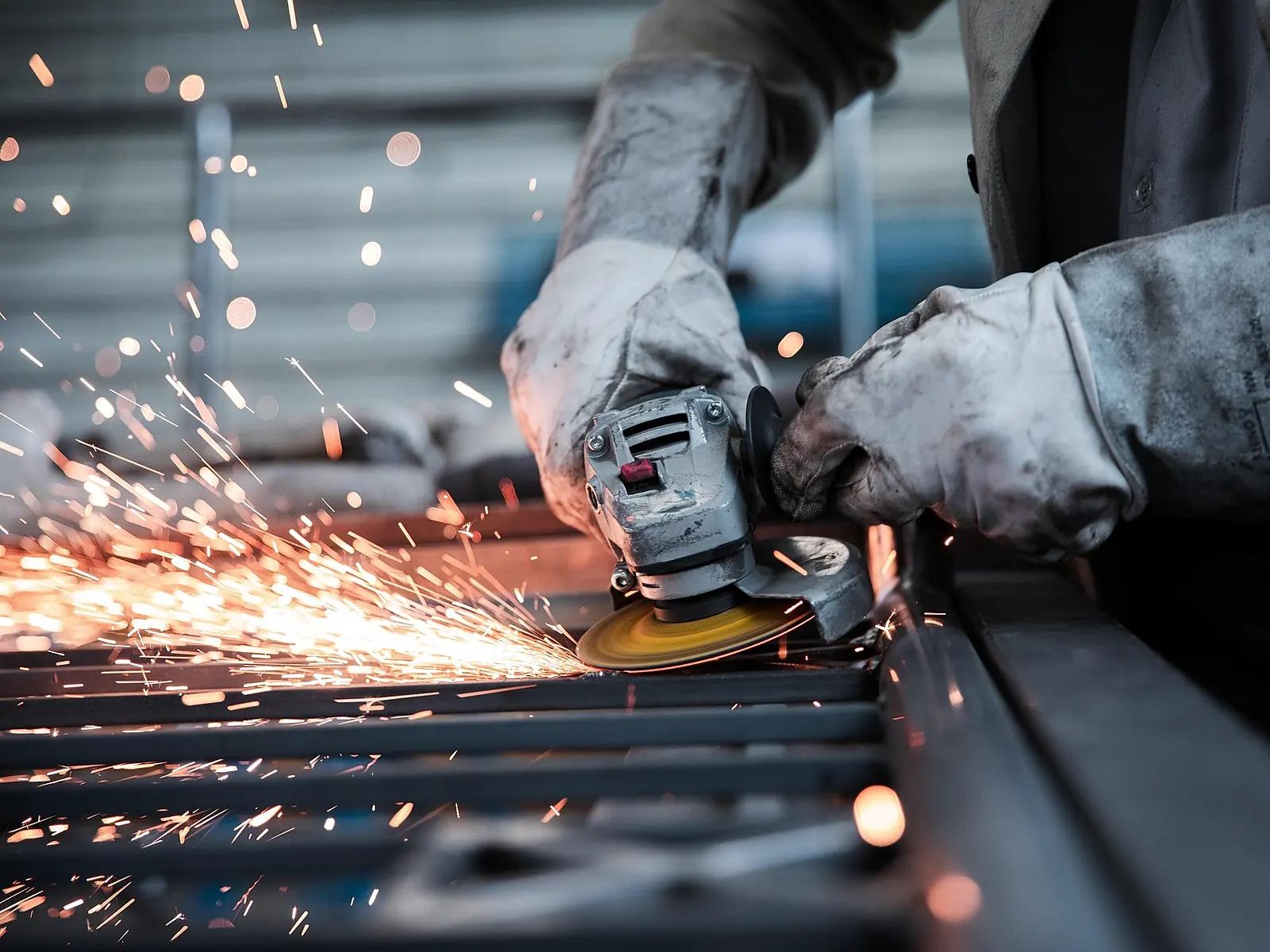
The work, as it actually looks.
Photographs of assemblies and structures built by IVEL.
A proven method, from the call to the report.
Request
What has to be assembled, moved or modified, and in what space: the site dimensions matter as much as the machine's.
Assessment
We read the material and assess whether a site visit is needed or we can act straight away. We answer within 8 hours.
Intervention
We assign the technicians best suited to the type of work and to the site conditions, within 24–48 hours.
Report
Documentation of what was done, and the guidance not to end up in the same place again.
What we are asked most often.
Yes, and it is the most frequent case: we assemble, move and modify machines of any origin. We do not sell plants, so we have no model to defend. For urgent breakdowns we are on call 24/7.
Yes: structures, supports, bases and structural repairs stand on their own. But on a machine in service the advantage is that whoever welds also knows what that structure has to carry.
Changes that do not alter what the machine does, but how easy it is to keep it running: an access panel added, a greasing point moved, a guard that opens instead of being bolted shut.
Yes: dismantling, transport and reinstallation. The delicate part is not taking it apart, it is putting it back the same: which is why we record how it was before opening it.
We answer a request within 8 hours and attend within 24–48 hours. For urgent breakdowns we are on call 24 hours a day, seven days a week.
Across Italy and in Europe. Our operating base is in Tirano, province of Sondrio, but interventions are not limited to the Valtellina valley: we travel to where the plant is.
What has to be assembled, moved or modified, and in what space. A photograph of the site is worth more than a description: it says immediately what fits and how you get to it.
Whoever assembles it
repairs it more easily later.
Crushing and conveying systems
Structures, supports and alignment: on a conveying line the assembly decides how long every bearing will last.
Presses and industrial plants
Bases, guards and modifications on presses and machinery: a machine that vibrates is often a machine poorly anchored.
Concrete and batching plants
Assembly, dismantling and relocation of fixed and mobile plants: one of the activities IVEL lists for that area.
Multi-brand spare parts
Fasteners, supports and components to be modified, with help finding an equivalent when the original no longer exists.
What we need in order to open a request.
What has to be assembled, moved or modified, and in what space. A photograph of the site is worth more than a description.
On a plant that is down, the phone is still the fastest way, even out of hours. For everything else the form reaches our office, and we reply within 8 hours.