
Industrial presses:
back to a regular cycle.
Mechanical, electrical and hydraulic assistance on industrial presses and machinery: maintenance, fault finding, replacement of worn components, control-system checks and restoration of machine function.
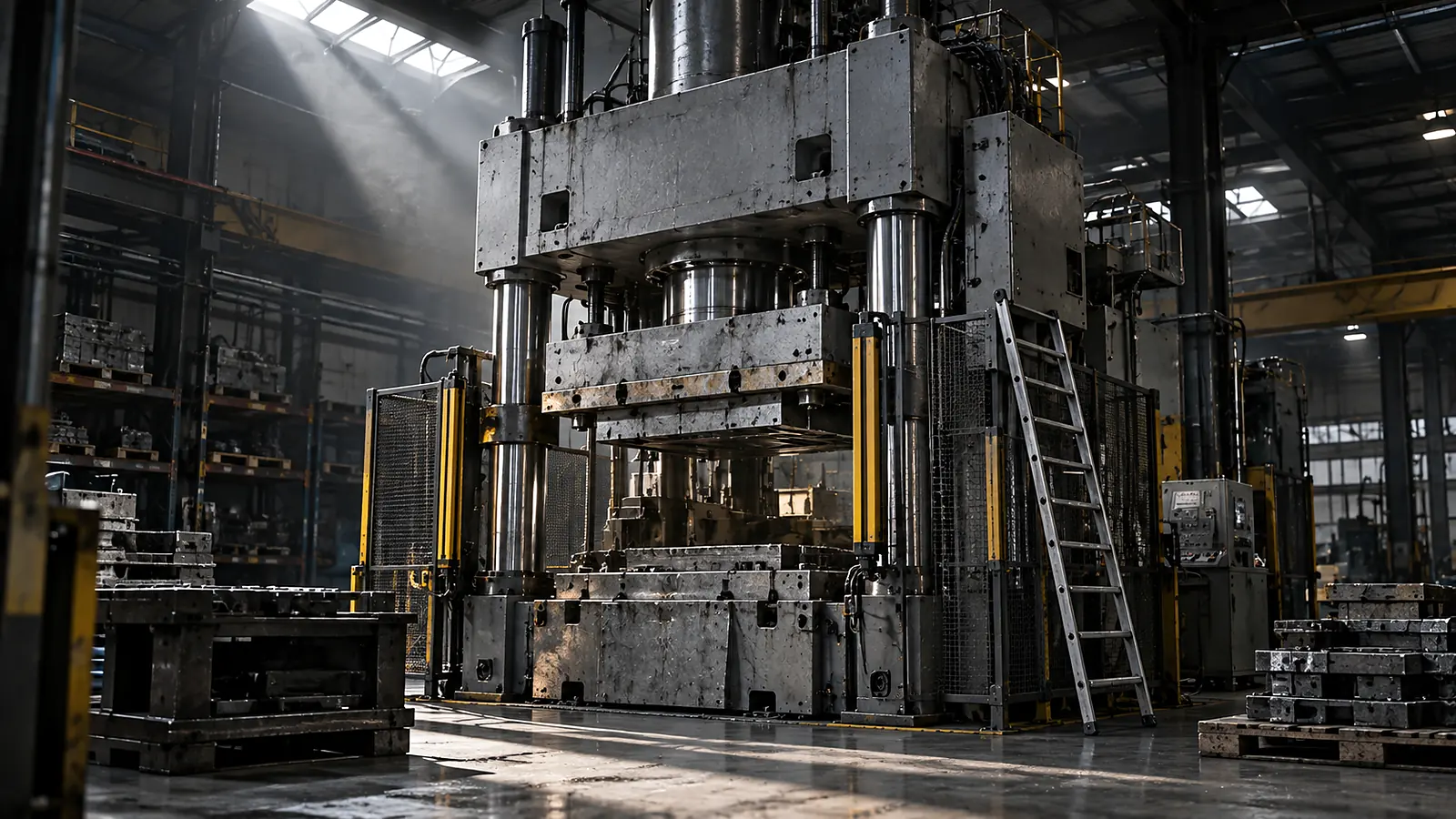
- Three originsHydraulic, electrical, mechanical
- The cycleThe first thing measured
- Multi-brandIndependent of the manufacturer
IVEL Energy Group works on industrial presses and machinery both in emergencies and under planned maintenance: hydraulics, electrics and mechanics, fault finding, replacement of worn components, control-system checks and functional restoration. We answer within 8 hours and attend within 24–48 hours, across Italy and Europe; 24/7 for urgent breakdowns.
From the urgent breakdown
to planned maintenance.
On a press you work at two opposite moments: when it is stopped and should not be, and when it is stopped because we decided so. The second is what makes the first rare.
Emergency intervention
The unplanned stop, when the priority is working out quickly whether production resumes today or tomorrow.
Planned maintenance
Work scheduled into shutdown windows, where two hours do what eight would cost in an emergency.
Fault finding
Isolating the cause on a machine where hydraulics, electrics and mechanics all produce the same symptom.
Worn components
Replacing what has reached the end of its life, before it decides on its own when the line stops.
Control-system checks
Verifying signals, timings and sequences: on a press the cycle is the machine, and a cycle out of time is a fault.
Functional restoration
The machine back to its previous performance, measured — not simply a machine that starts again.
From the hydraulic power unit
to the control systems.
On a press a cycle defect can be hydraulic, electrical or mechanical in origin, and from the outside it always looks the same: the machine does not do what it should, when it should. Telling them apart takes all three competences.
The machines and components
- Hydraulic and mechanical presses
- Hydraulic power units
- Control assemblies
- Drives and mechanical assemblies
- Panels and control systems
- Safety devices and guards
- Industrial machinery
The systems we work on
- Mechanical systems
- Electrical systems
- Hydraulic systems
- Controls and sequences
The cycle is the machine.
That is where we start.
On a press the symptom is nearly always the same — the cycle is no longer what it was — while the origins are three. We analyse pressures, cycle times and control signals together: it is the comparison between the three that shows where the problem is, because taken one at a time they all look normal.
A cycle slower than usual
A few tenths of a second more is the first symptom, and the most ignored. We compare timings with the reference figures before they turn into a stoppage.
Stopping mid-stroke
We look at where it stops, not only that it stops: the position says whether pressure is missing, a permissive is missing, or something is resisting.
Loss of force under load
Peak pressure, internal bypassing and valve settings. The machine still moves, but it no longer does the work it should.
Growing noise or play
Guides, bushings and drive components. Play grows slowly and then breaks suddenly: exactly the defect that planned maintenance catches.
It restarts but does not hold
If the machine goes back into production and stops again the next day, the job was not finished. We plan the definitive intervention instead of chasing it.
Two planned hours
are worth eight in an emergency.
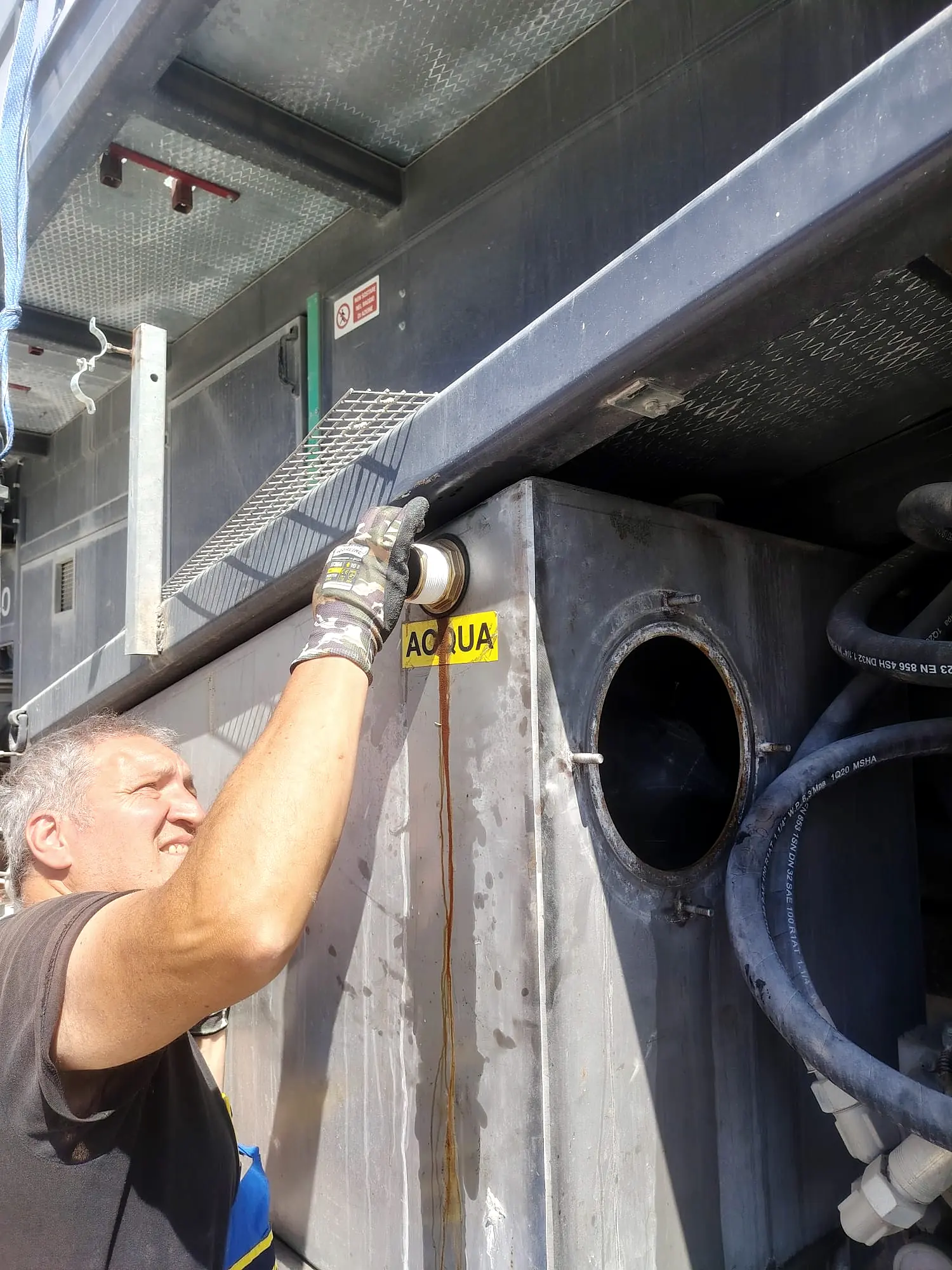
A press nearly always gives warning: a cycle that lengthens, a new noise, a temperature that creeps up. Whoever follows it under a plan picks that warning up; whoever only comes in emergencies finds out with the line down, when it costs more and less can be done.
Planned stops
Better to decide when the machine stops than to find out.
Safety
Guards and safety devices are checked before the cycle restarts.
Performance that lasts
A machine that is looked after keeps the cycle it was bought for.
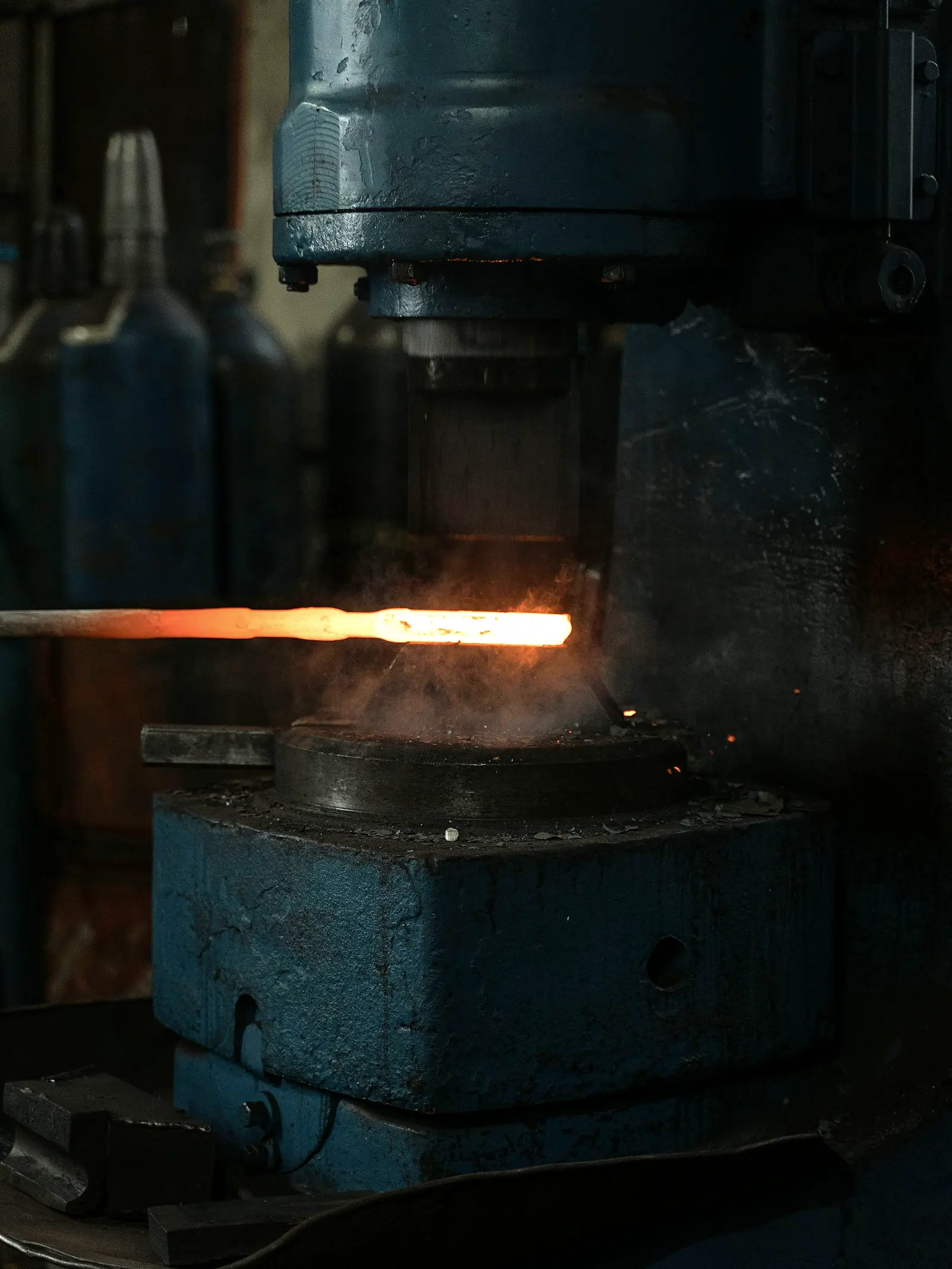
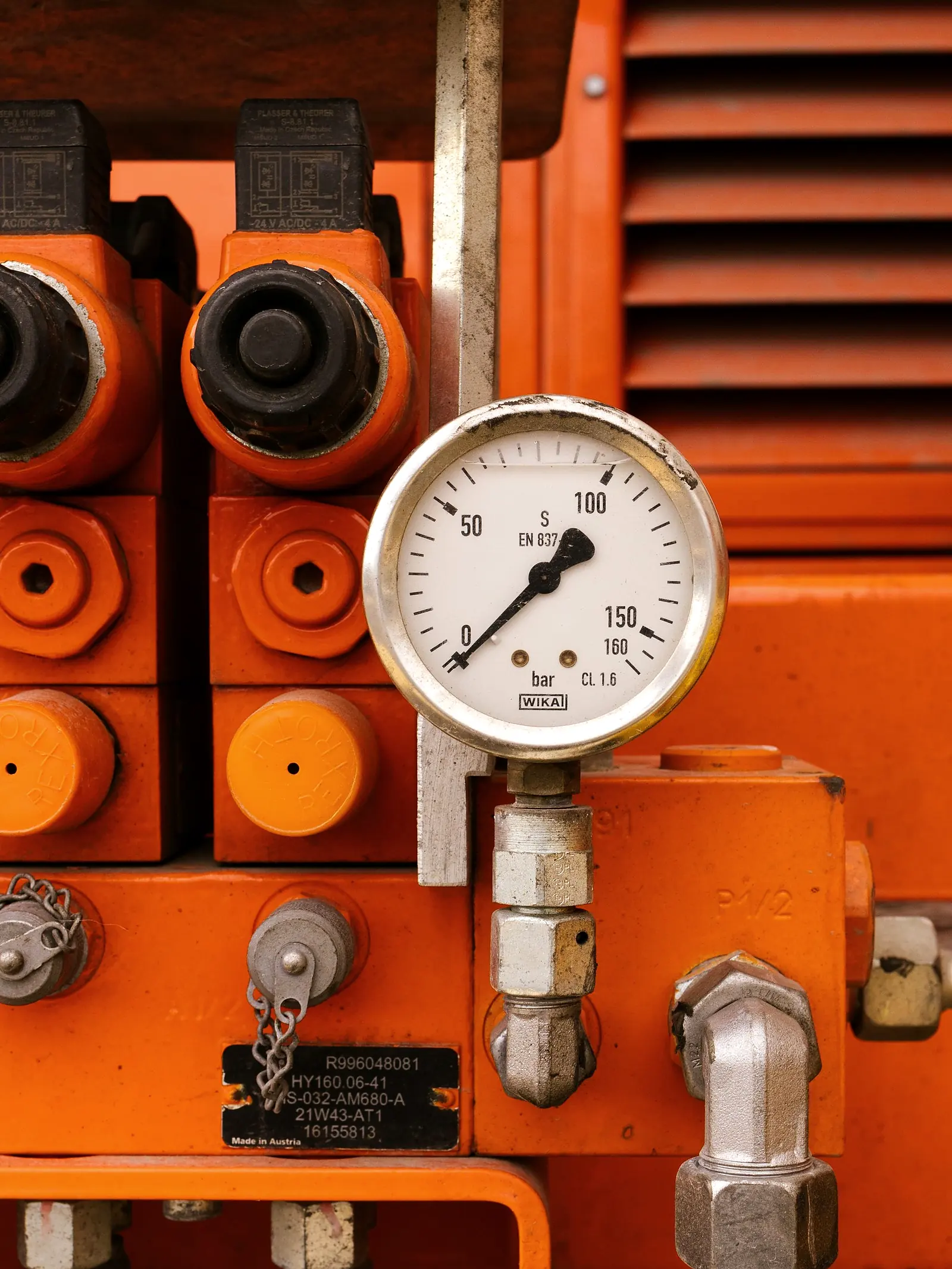
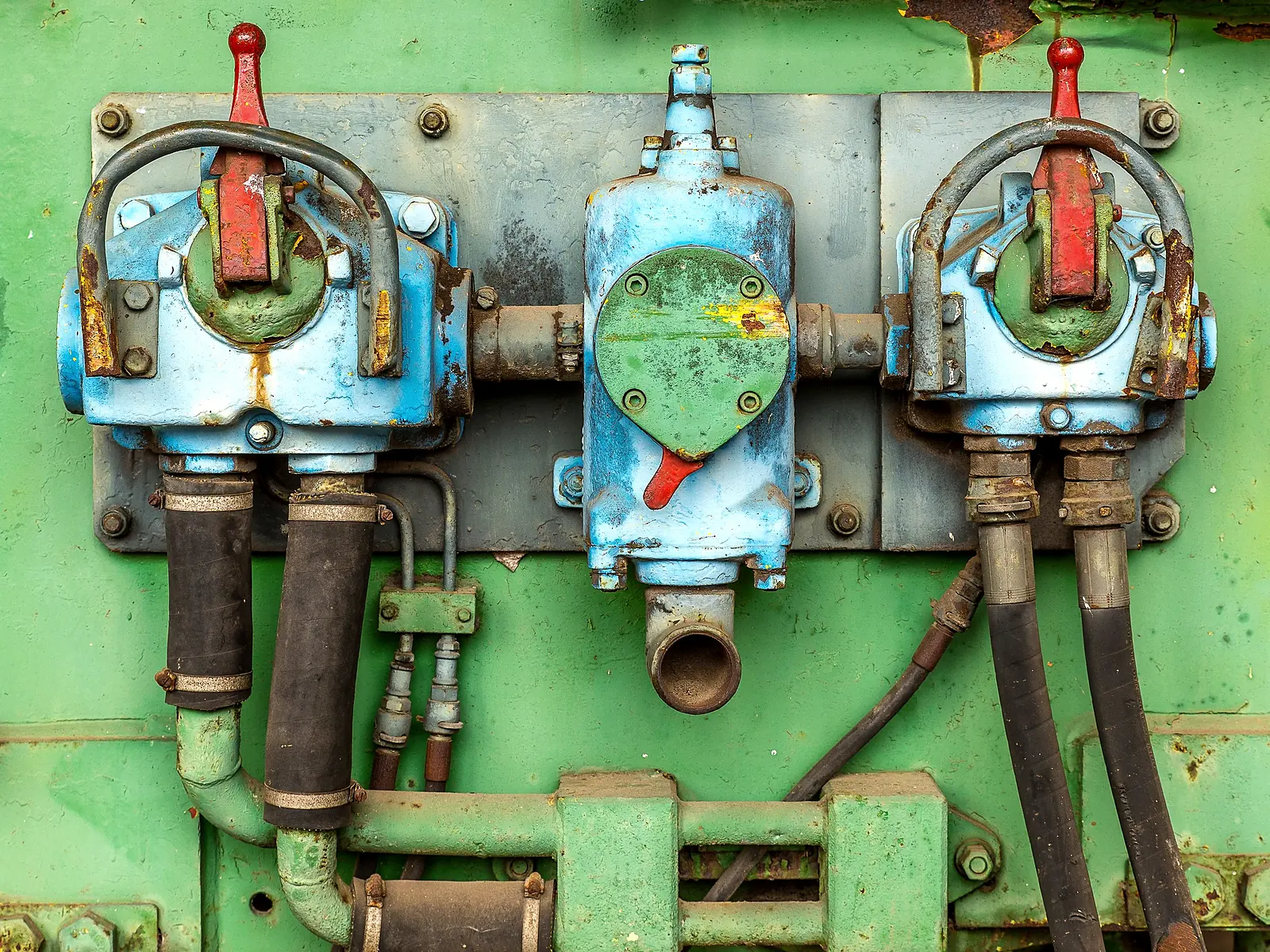
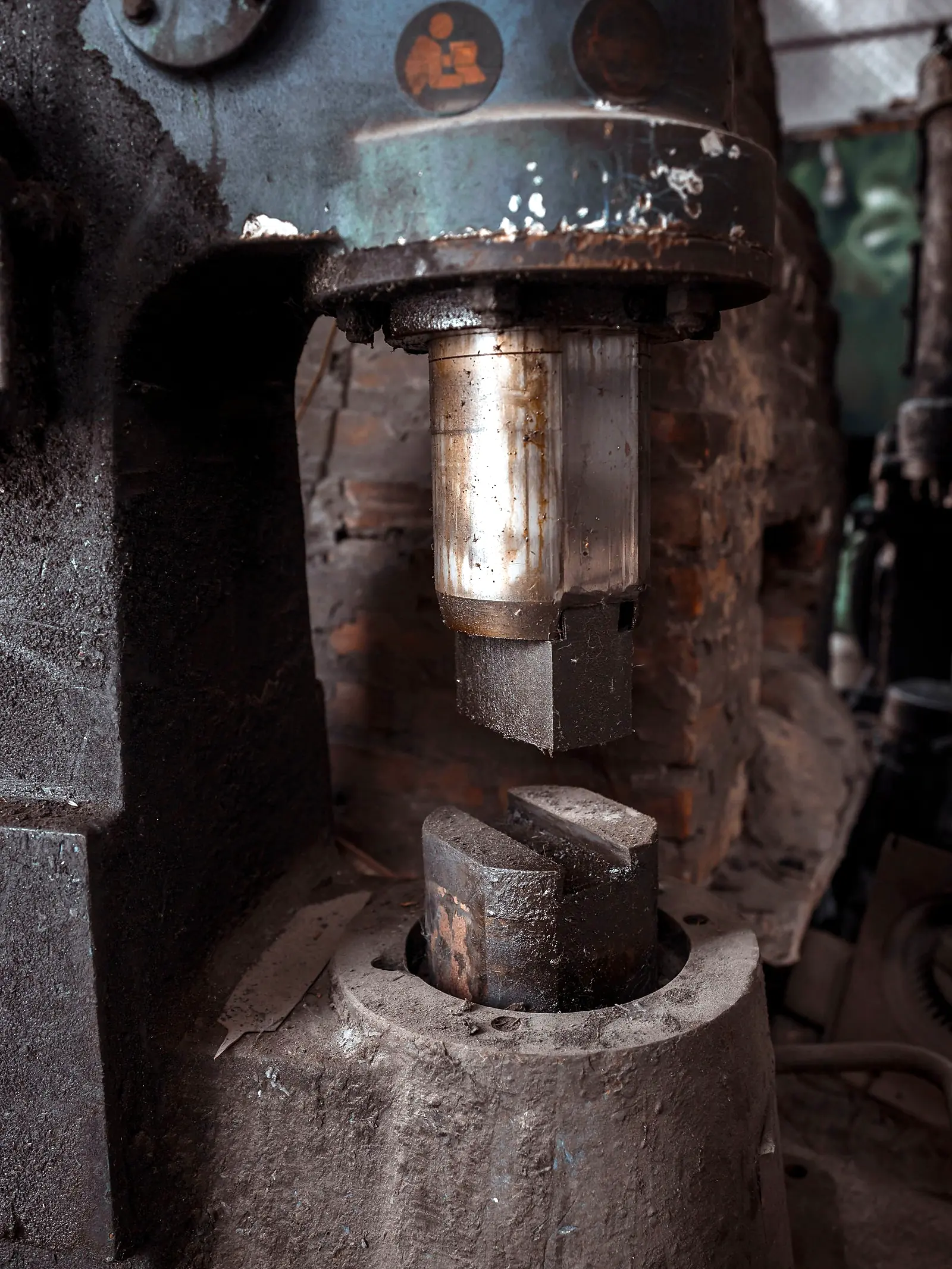
The machines, up close.
Presses, hydraulic circuits and control assemblies: the machines we work on.
A proven method, from the call to the report.
Request
Type of press, what the cycle does now and what it did before, with photographs or video.
Assessment
We read the material and assess whether a site visit is needed or we can act straight away. We answer within 8 hours.
Intervention
We assign the technicians best suited to the type of fault and the type of machine, within 24–48 hours.
Report
Documentation of what was done, and the guidance not to end up in the same place again.
What we are asked most often.
Both. In an emergency the priority is getting back into production; under a plan it is doing in a chosen window what would otherwise be done with the line down, at far greater cost. For urgent breakdowns we are on call 24/7.
Yes. IVEL Energy Group is an independent, multi-brand technical company: we are not tied to any single manufacturer, for assistance or for spare parts.
Both, and in either case the electrical and control side is part of the job: on a press the cycle originates there even when the force comes from the oil.
We work to planned maintenance agreed with the client. Terms are defined case by case: they depend on the type of machine and how hard it is worked.
We answer a request within 8 hours and attend within 24–48 hours. For urgent breakdowns we are on call 24 hours a day, seven days a week.
Across Italy and in Europe. Our operating base is in Tirano, province of Sondrio, but interventions are not limited to the Valtellina valley: we travel to where the plant is.
The type of press, what the cycle does now and what it did before. A video of the abnormal cycle is the single most useful thing to send: it says in ten seconds what a description cannot.
A press is three machines
inside one frame.
Hydraulic systems
Power units, valves and cylinders: on a hydraulic press the force originates here, and here is where it is measured when it drops.
Industrial automation and electromechanics
Panels, sensors and safety devices: a press cycle is a sequence, and the sequence lives in the electrical side.
Assembly, fabrication and welding
Mechanical modifications, bases and guards: when a machine has to be adapted or moved, the work starts here.
Multi-brand spare parts
Multi-brand seals, bearings and control components, with help finding an equivalent when the machine is no longer catalogued.
What we need in order to open a request.
Type of press, what the cycle does now and what it did before. A video of the abnormal cycle is worth more than a description.
On a plant that is down, the phone is still the fastest way, even out of hours. For everything else the form reaches our office, and we reply within 8 hours.