
Batching plants down
as little as possible.
Technical assistance, routine and extraordinary maintenance, fault finding, assembly, dismantling and restoration of plants for the production and handling of concrete. Across mechanical, electrical, hydraulic and pneumatic systems.
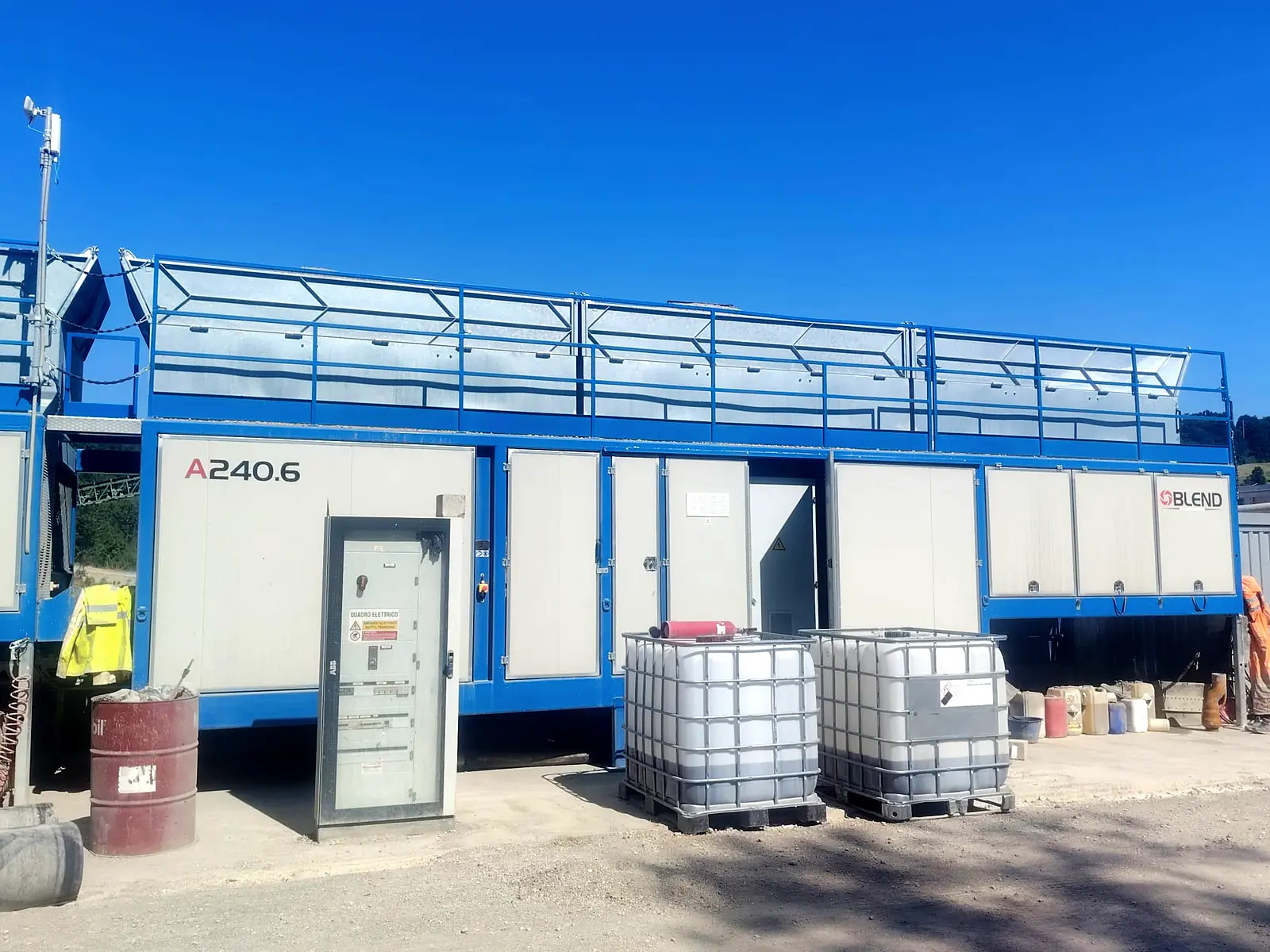
- Fixed or mobilePlants covered
- Four disciplinesMechanical, electrical, hydraulic, pneumatic
- Multi-brandIndependent of the manufacturer
IVEL Energy Group repairs and maintains fixed and mobile concrete batching plants across Italy and Europe, covering mechanical, electrical, hydraulic and pneumatic systems. We answer a request within 8 hours and attend within 24–48 hours; for urgent breakdowns we are on call 24/7. Operating base in Tirano, province of Sondrio, Italy, since 2018.
From assistance on the fault
to restoring the plant.
Work on a batching plant is not a single item. These are different activities, needed at different points in the life of the machine.
Assistance
Support on the plant while in production, when help is needed straight away and the machine cannot stay down.
Routine maintenance
The scheduled work that keeps the plant efficient and pushes the failure further away instead of waiting for it.
Extraordinary maintenance
The work outside the schedule: advanced wear, breakages, restorations that bring the plant back to operating condition.
Fault finding
Diagnosis of the real cause, not of the symptom. It is the step that avoids replacing components for nothing.
Assembly and dismantling
Installation, relocation and removal of the plant or its parts, through to connection and final verification.
Restoration
Bringing the plant back to working condition after the stoppage, with the checks needed to put it back into production.
Fixed and mobile plants,
and four disciplines together.
A batching plant does not fail in one way only: the problem can be mechanical, electrical, hydraulic or pneumatic, and often it is more than one at the same time. We cover all four, so the client deals with one contact instead of four.
The machines and components
- Fixed and mobile batching plants
- Concrete mixers
- Pumps
- Dosing systems
- Screw conveyors
- Belt conveyors
- Related components and structures
The systems we work on
- Mechanical systems
- Electrical systems
- Hydraulic systems
- Pneumatic systems
Measure first,
replace afterwards.
On the same plant the same symptom can have different origins, and almost never a single one. Dosing out of tolerance can be a weighing cell out of calibration, a pneumatic gate that does not close fully, or damp air in the circuit: three causes, three different interventions, and replacing the wrong part costs twice. That is why the work starts from measurement — pressures, flows, temperatures, cycle times, control signals — and the replacement comes after.
Irregular dosing
We check weighing cells and calibration, the sealing of the pneumatic gates, the quality and moisture of the compressed air, and the condition of the feed screw conveyors.
Recurring cycle stop
We reconstruct the sequence of the event before touching the component: sensors out of tolerance, degraded contacts, pressure dropping below threshold. An intermittent stop leaves different traces from an outright breakage.
Belt tracking off
Almost always it is alignment, tensioning or off-centre loading. Replacing the bearings without correcting the cause means doing the same job again in two months.
Screw conveyor turning empty
We look at flight wear, the gearmotor and the moisture of the material: an aggregate that packs behaves like a mechanical fault without being one.
Loss of force
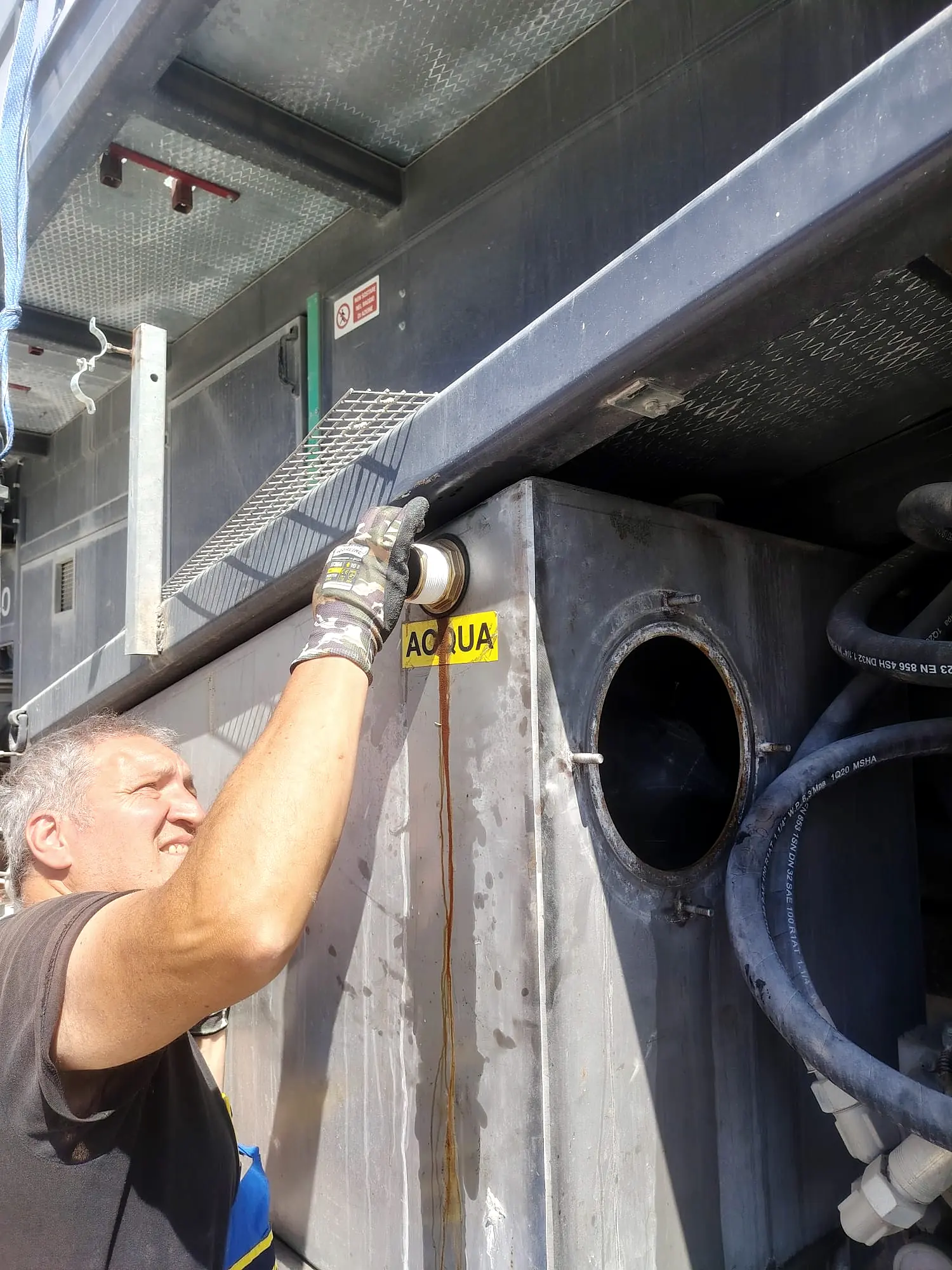
On the hydraulic side we measure pressure, flow and temperature: internal wear, incorrect setting, contaminated fluid and an abnormal control signal all produce the same symptom.
Operational continuity
is a competitive advantage.
We know first-hand the problems these machines can present during production. We do not want to limit ourselves to replacing a part: we want to understand why the problem occurred, solve it and help prevent it from happening again. That is the difference between a repair and maintenance.
Fewer stoppages
Diagnosis of the real cause, without needless replacements.
Greater safety
Protecting people and plants comes first.
Longer service life
Every plant is a productive asset to be preserved.
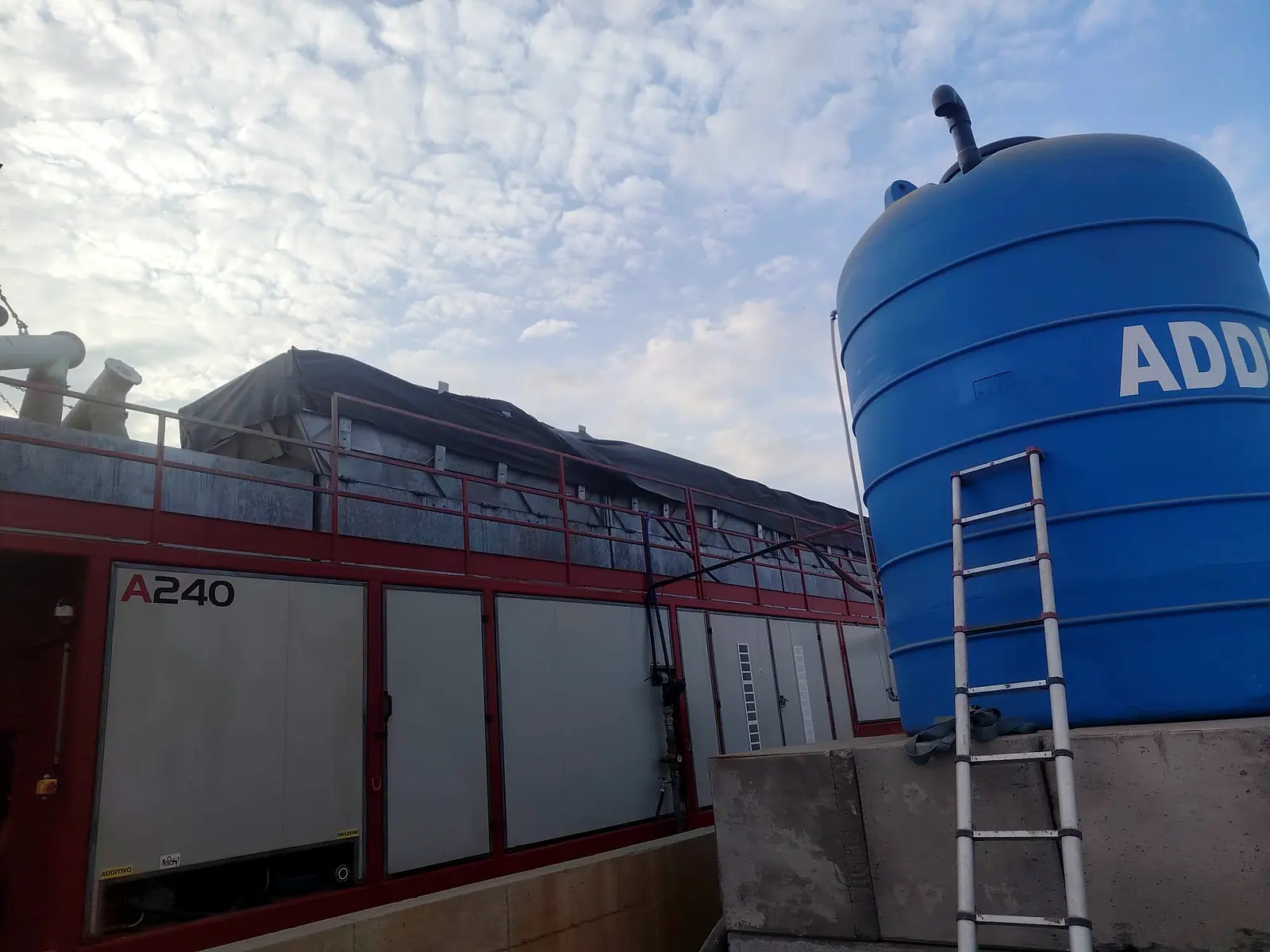
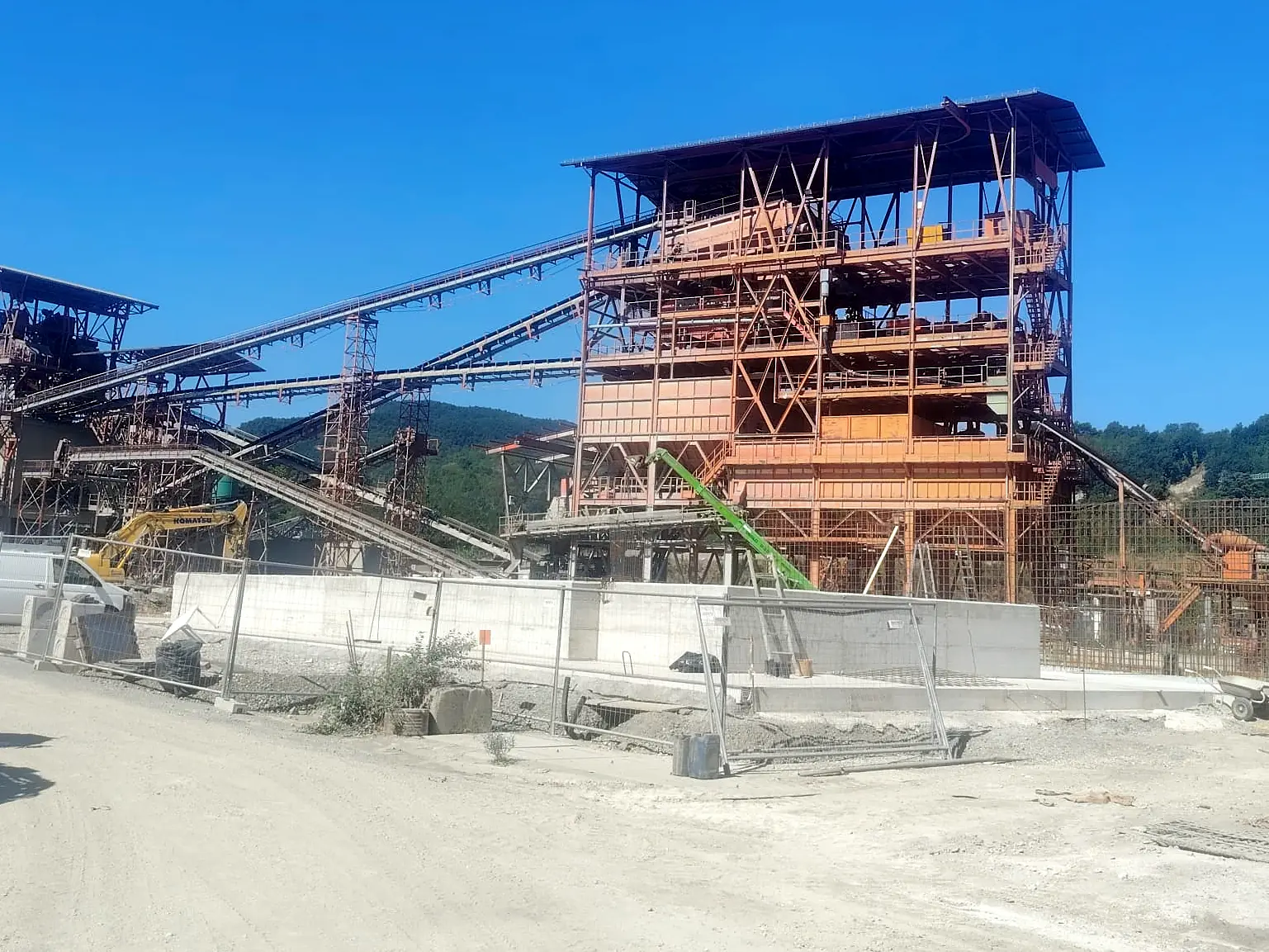
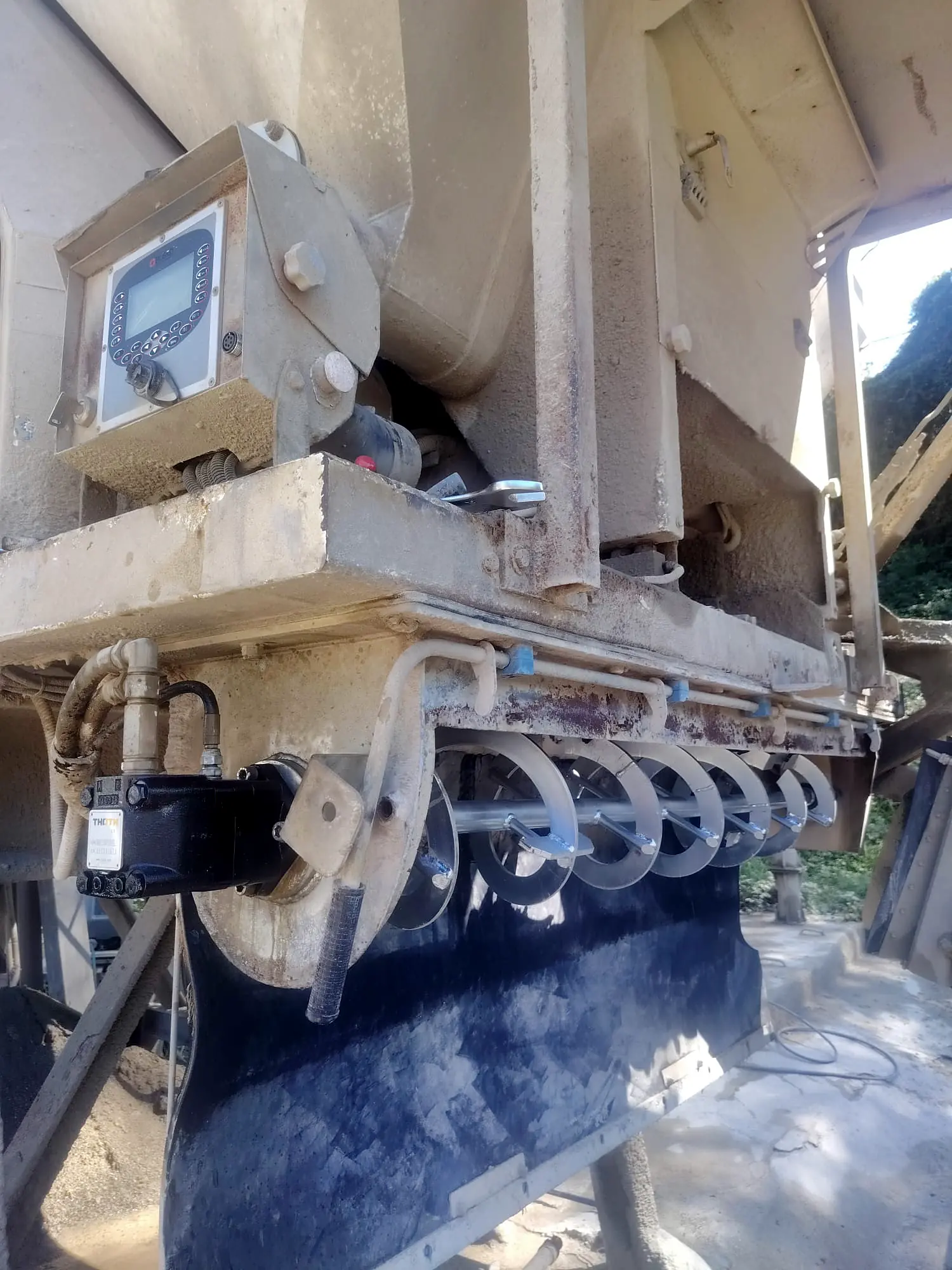
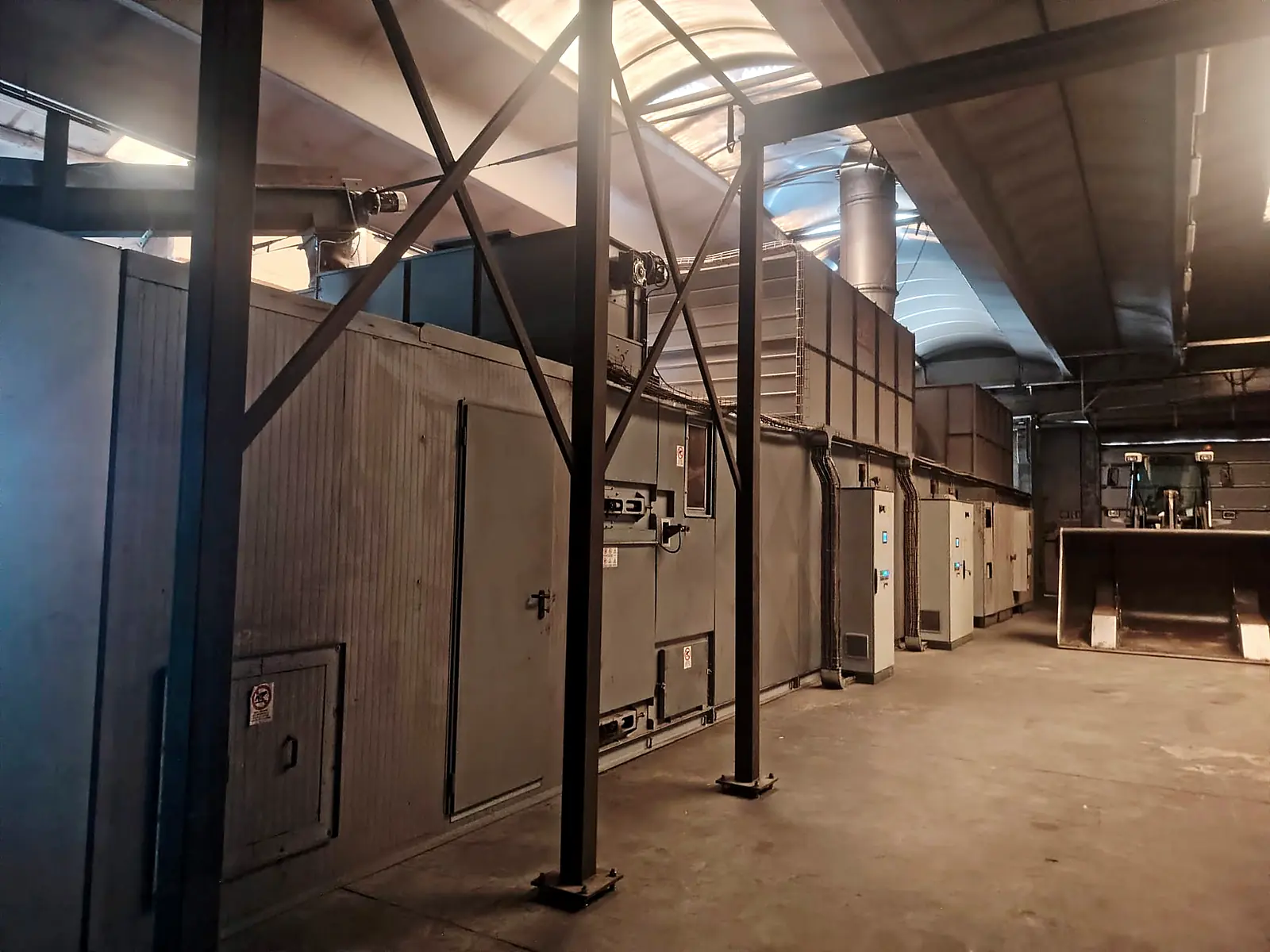
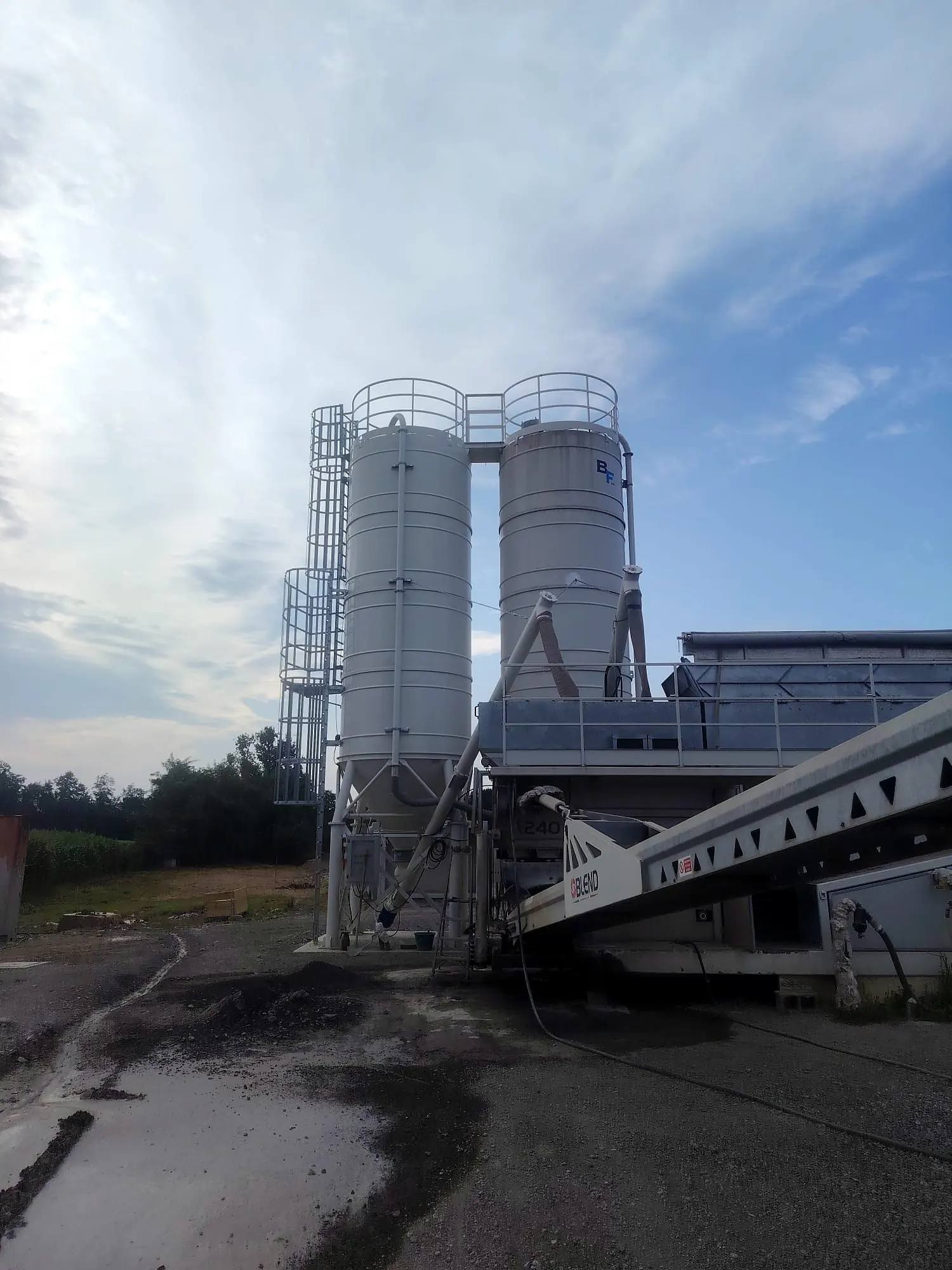
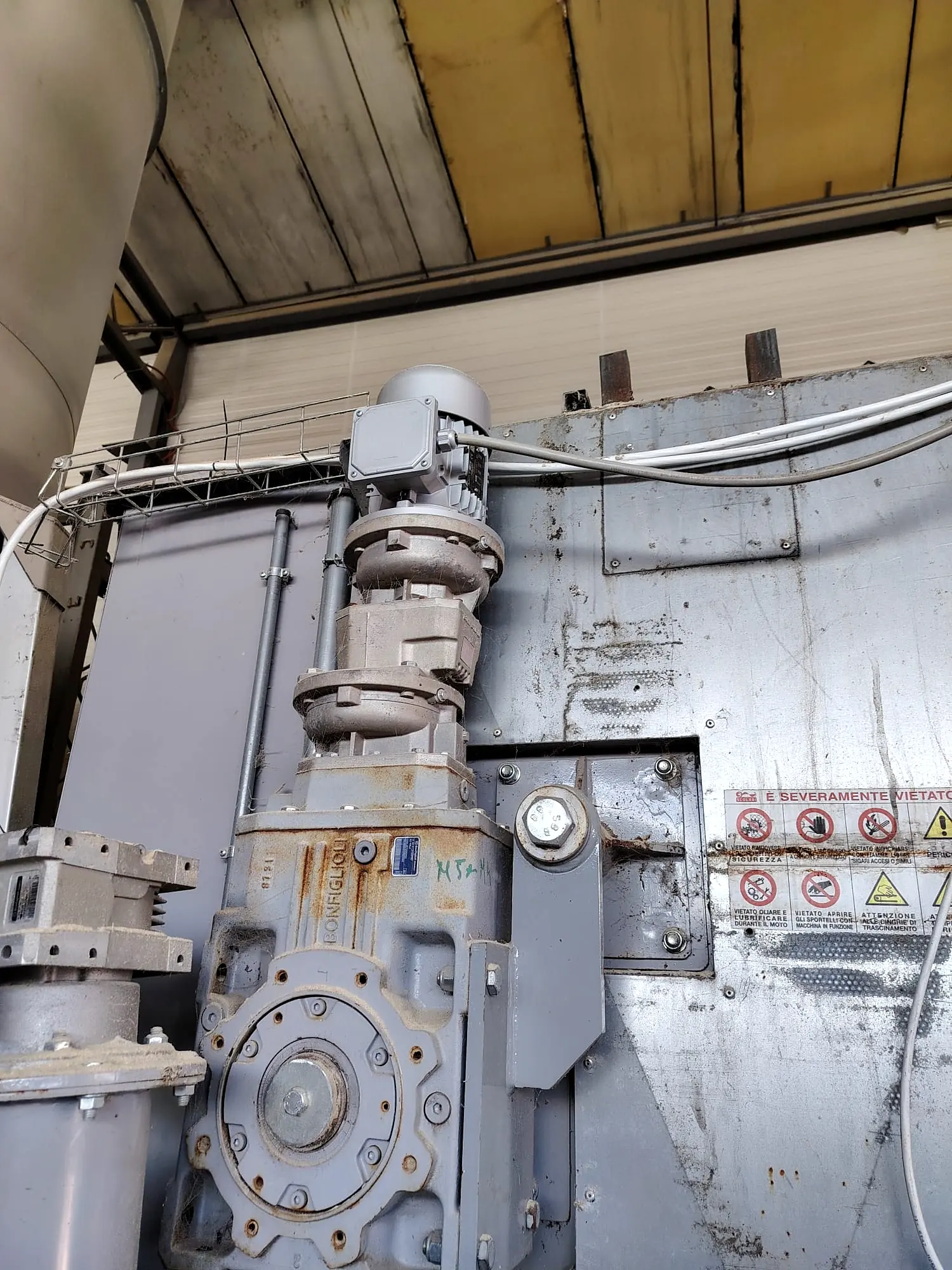
The work, as it actually looks.
Photographs of plants serviced by IVEL: the machine in production, the detail of the component, the whole line.
A proven method, from the call to the report.
Request
Sector, type of machine and the problem observed, with photographs or documentation attached.
Assessment
We read the material and assess whether a site visit is needed or we can act straight away. We answer within 8 hours.
Intervention
We assign the technicians best suited to the type of fault and the type of plant, within 24–48 hours.
Report
Documentation of what was done, and the guidance not to end up in the same place again.
What we are asked most often.
Yes. We intervene both on urgent stoppages and through planned maintenance. In the first case the priority is getting back into production; in the second it is stopping the stoppage from happening at all. For urgent breakdowns we are on call 24/7.
Yes. IVEL Energy Group is an independent, multi-brand technical company: we are not tied to any single manufacturer, and this applies to assistance and to spare parts alike.
On four: mechanical, electrical, hydraulic and pneumatic. It is the reason one contact is enough to close the intervention, even when the fault involves more than one of them.
Yes, fixed and mobile. This includes concrete mixers, pumps, dosing systems, screw conveyors, belt conveyors and the related components.
We answer a request within 8 hours and attend within 24–48 hours. For urgent breakdowns we are on call 24 hours a day, seven days a week.
Across Italy and in Europe. Our operating base is in Tirano, province of Sondrio, but interventions are not limited to the Valtellina valley: we travel to where the plant is.
The sector, the type of machine and the problem observed. Photographs, video or technical documentation help us assess before the site visit, and often let us arrive with the right part already in hand.
A batching plant
is not made of one thing only.
Hydraulic systems
Pumps, hydraulic motors, directional control valves and cylinders: the hydraulic side of a batching plant is an area of its own.
Crushing and conveying systems
Screw and belt conveyors carry the material into and out of the plant: gearmotors, rollers, bearings, alignment.
Industrial automation and electromechanics
Electrical panels, sensors, motors, inverters and safety systems: this is where the dosing control runs through.
Multi-brand spare parts
The multi-brand spare part, and help identifying the correct component when the code cannot be found.
What we need in order to open a request.
Sector, type of machine and the problem observed. Photographs, video or technical documentation help us assess before the site visit.
On a plant that is down, the phone is still the fastest way, even out of hours. For everything else the form reaches our office, and we reply within 8 hours.