
Conveying systems:
from part to whole line.
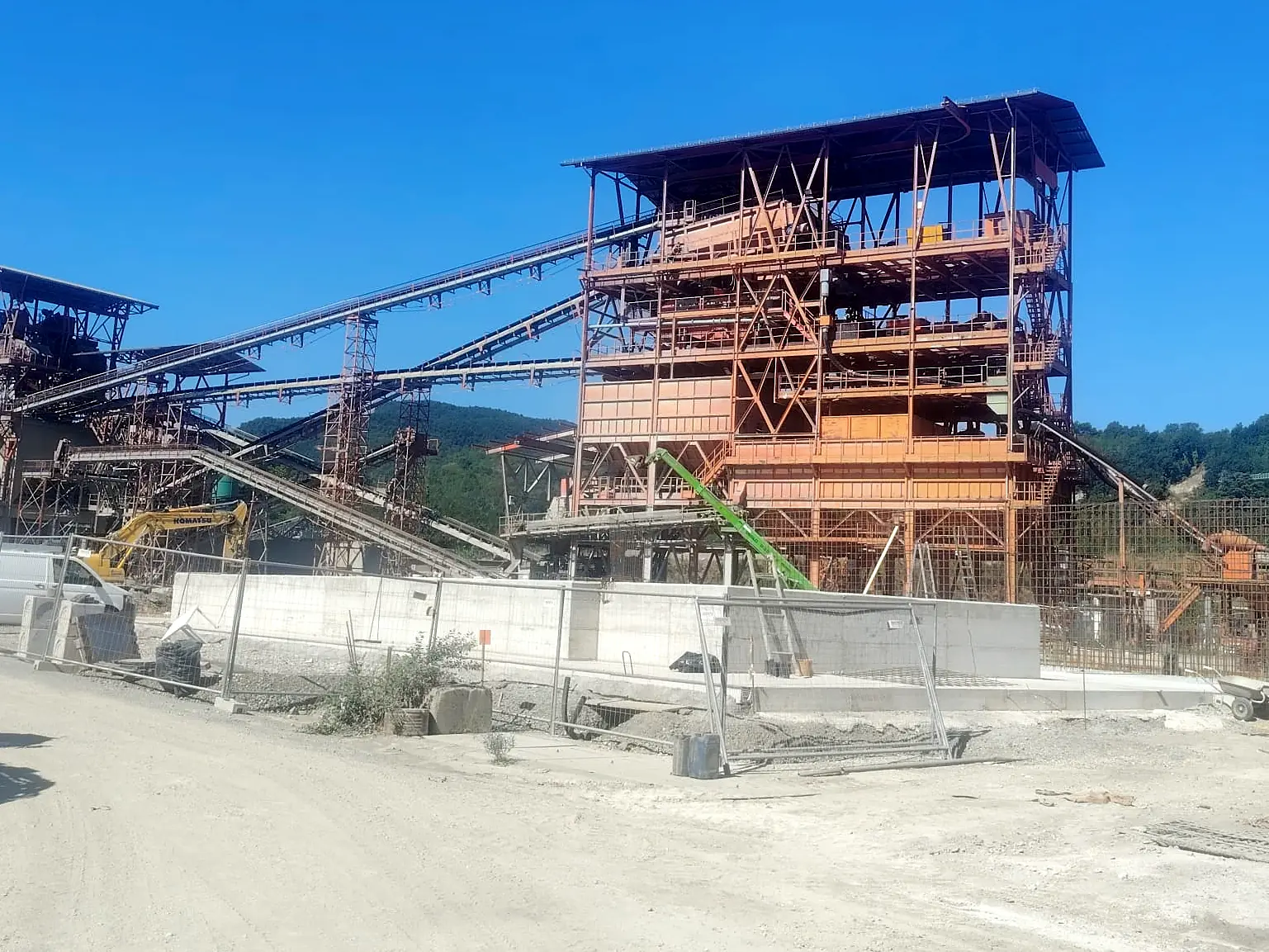
Installation, maintenance and repair of belt conveyors, screw conveyors, crushers and material handling systems: gearmotors, rollers, bearings, supports, structures, alignment and control systems.
- Alignment and tensioningThe first two things to check
- On the component or the whole lineHow we work
- Multi-brandIndependent of the manufacturer
IVEL Energy Group installs, maintains and repairs belt conveyors, screw conveyors, crushers and material handling systems: gearmotors, rollers, bearings, alignment and controls. We work on the single component or on the whole line. We answer within 8 hours and attend within 24–48 hours, across Italy and Europe; 24/7 for urgent breakdowns.
From installation
to a line that keeps running.
A conveying line stops entirely even when a single part gives way. That is why the work happens at two scales: the component that failed, and the line that made it fail.
Installation
Assembly and commissioning of conveyors, screw conveyors and handling systems, from the structure to the controls.
Preventive maintenance
Checks on rollers, bearings and tensioning before the noise becomes a breakage and the breakage a stoppage.
Repair
Structures and conveying assemblies put back in order: steelwork, supports, drums and drive components.
Alignment and tensioning
It is the job that solves most recurring belt faults, and the one almost nobody does beforehand.
Control systems
Gearmotors, drives and controls: the part that decides how and when the line moves.
The component or the line
We can follow a single part or the whole production line: the client makes that choice, not the supplier.
From a single roller
to the whole production line.
On a handling line the fault is rarely where you see it: a bearing that keeps failing is often paying for a misalignment three metres further along. Looking at the component alone means changing it again in two months.
The machines and components
- Belt conveyors
- Screw conveyors
- Crushers
- Material handling systems
- Gearmotors
- Rollers, bearings and supports
- Steelwork and structures
The systems we work on
- Mechanical systems
- Electrical systems
- Alignment and tensioning
- Control systems
The fault is not
where you see it.
On a conveying line nearly every recurring fault has the same signature: something is out of line, out of tension, or loaded where it should not be. The component that breaks is the last link, not the first. We measure alignment and look at where the material lands before ordering the part.
Belt tracking off
Roller alignment, tensioning, off-centre loading or material build-up. A belt always drifts towards the point of least resistance.
Bearings that keep failing
If the same support gives way twice, the bearing is not the problem. We look at alignment, load and the condition of the support holding it.
Screw conveyor turning empty
Flight wear, the gearmotor, or material packing because of moisture: an aggregate that compacts behaves like a mechanical fault without being one.
Falling crusher output
Liner wear, chamber setting and irregular feed. Before touching the machine we look at what it is being fed.
A new noise on the line
On a line that always runs the same way, a noise that was not there before is the most reliable warning there is. It should be heard while it is still only a noise.
One part gives way
and the whole line stops.
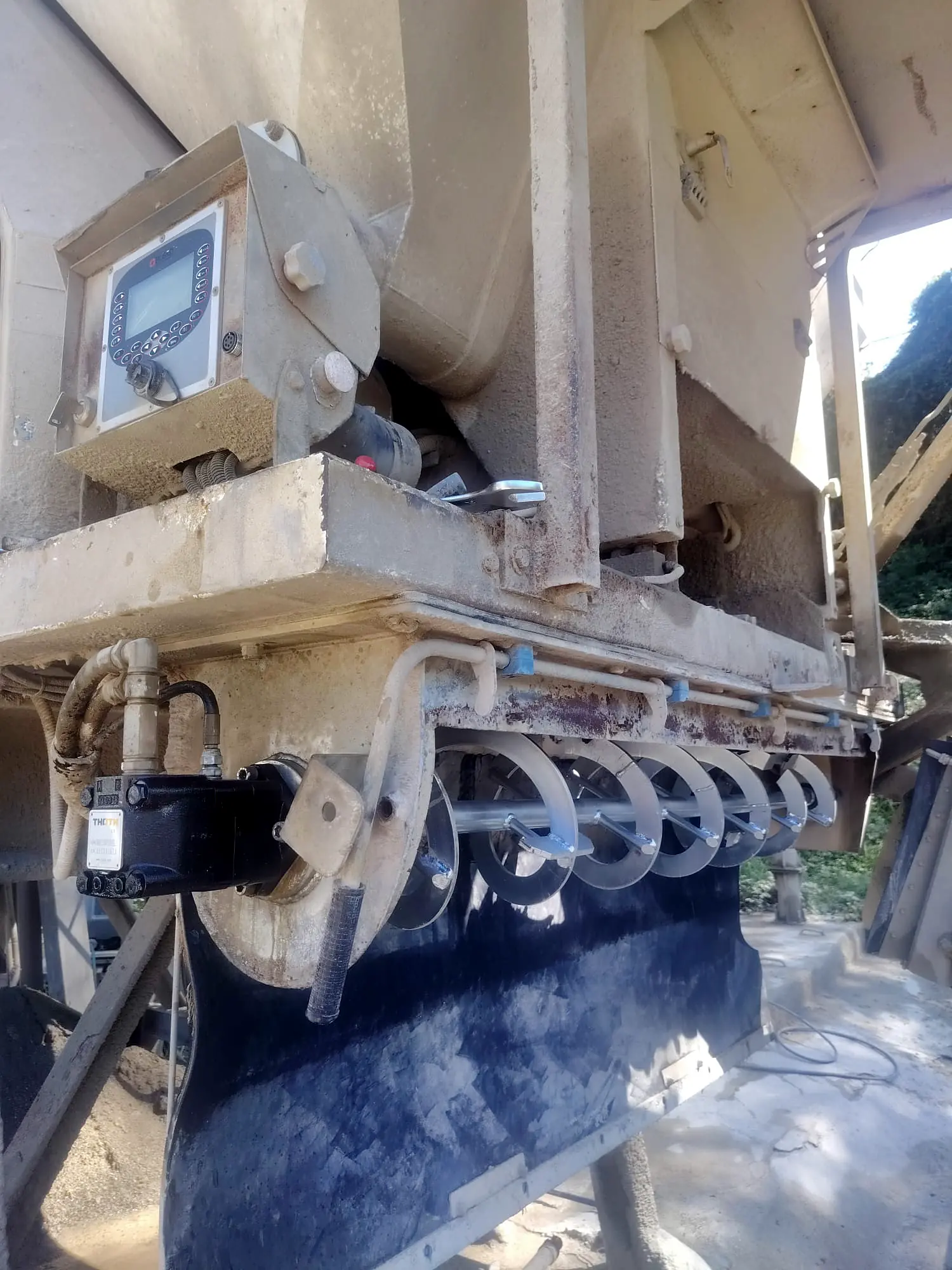
On a handling line there are no small faults: a seized roller stops production exactly as a structural failure does. That is why we work on the cause and not only on the part, and why we can follow either a single component or the whole production line.
Failures that stay fixed
Correct the alignment and the same bearing stops failing.
Safety
Guards and protections go back on; they are not left open.
A predictable line
A line kept up with stops when you decide, not when it happens.
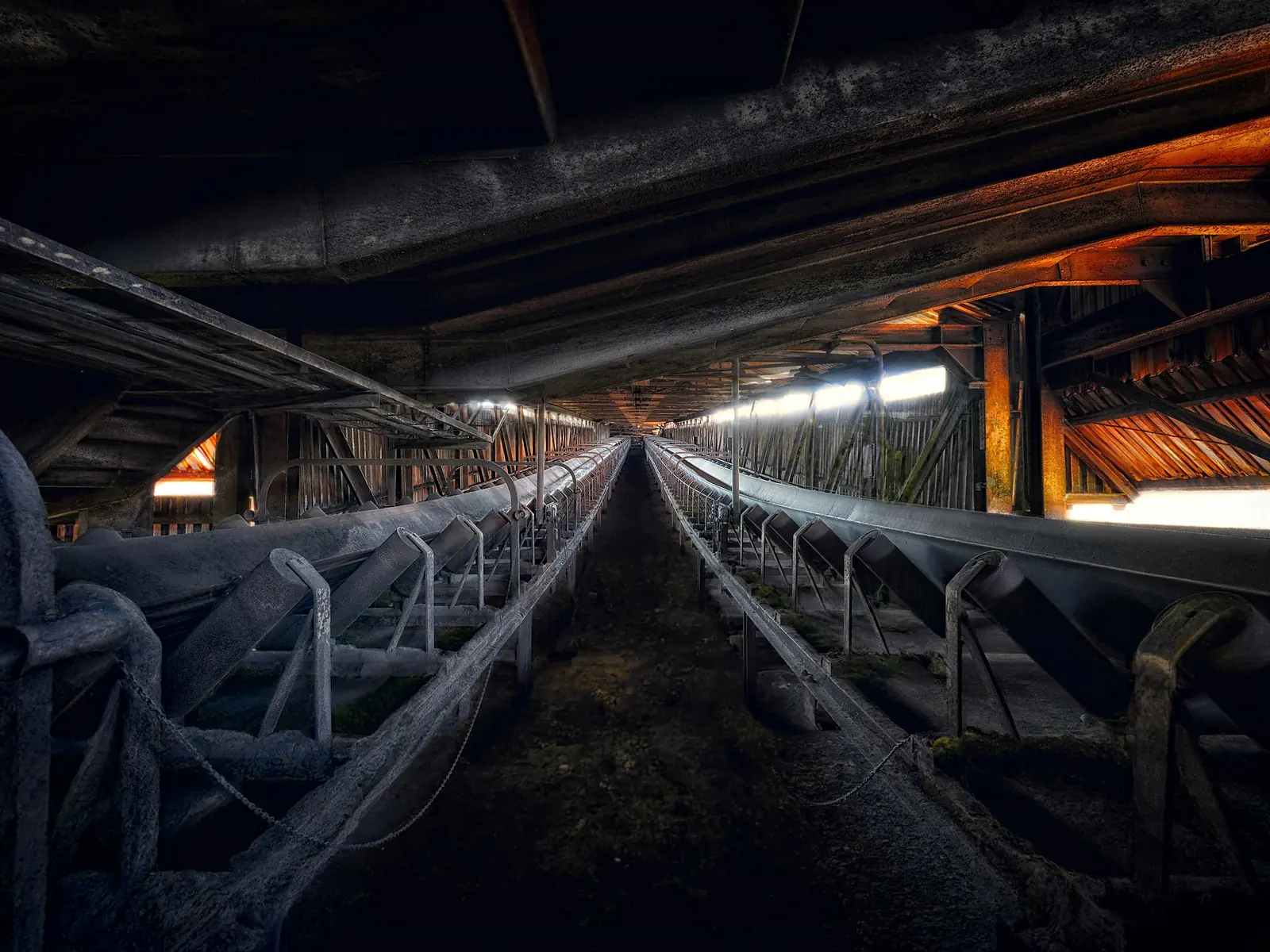
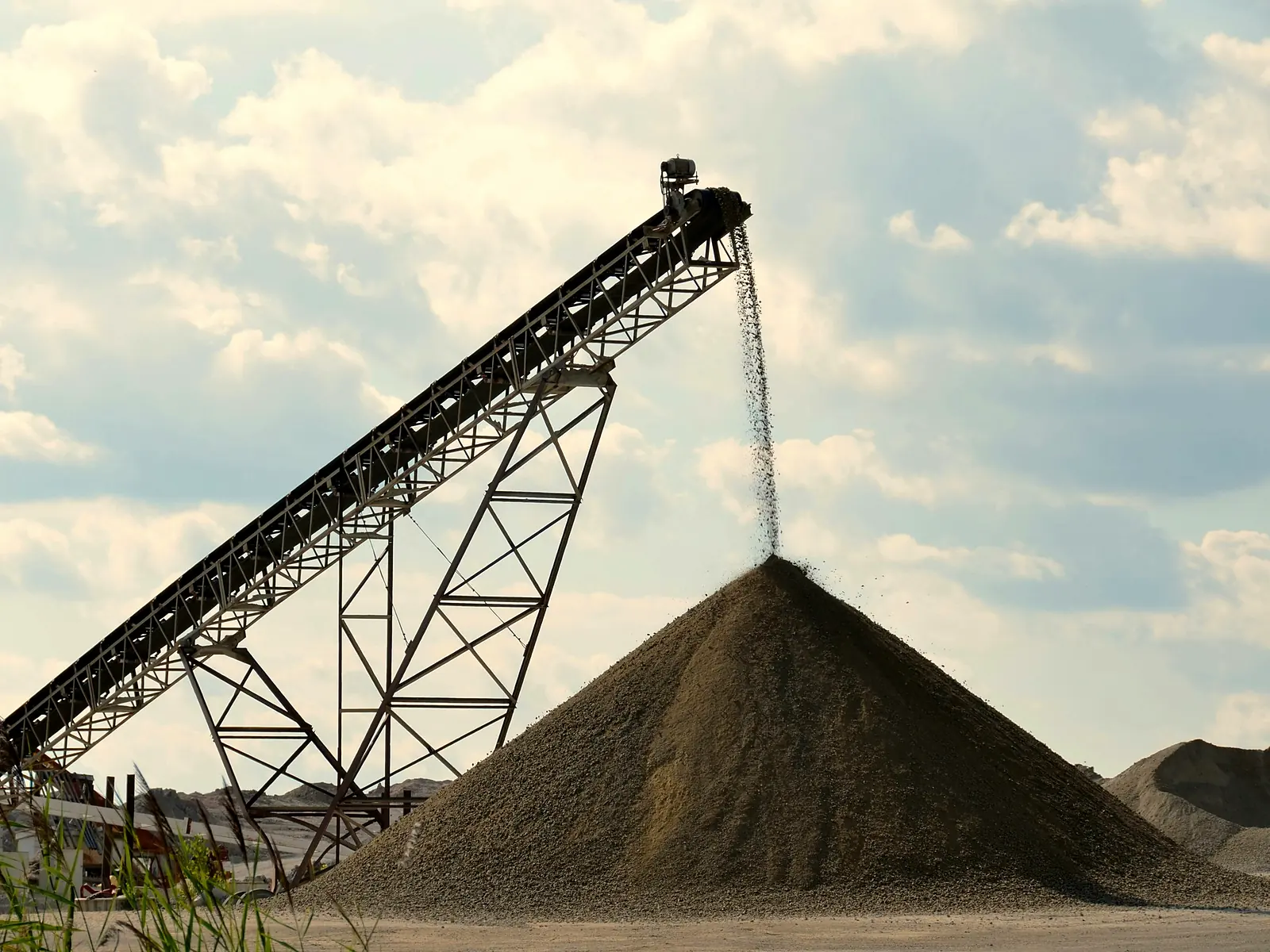
The work, as it actually looks.
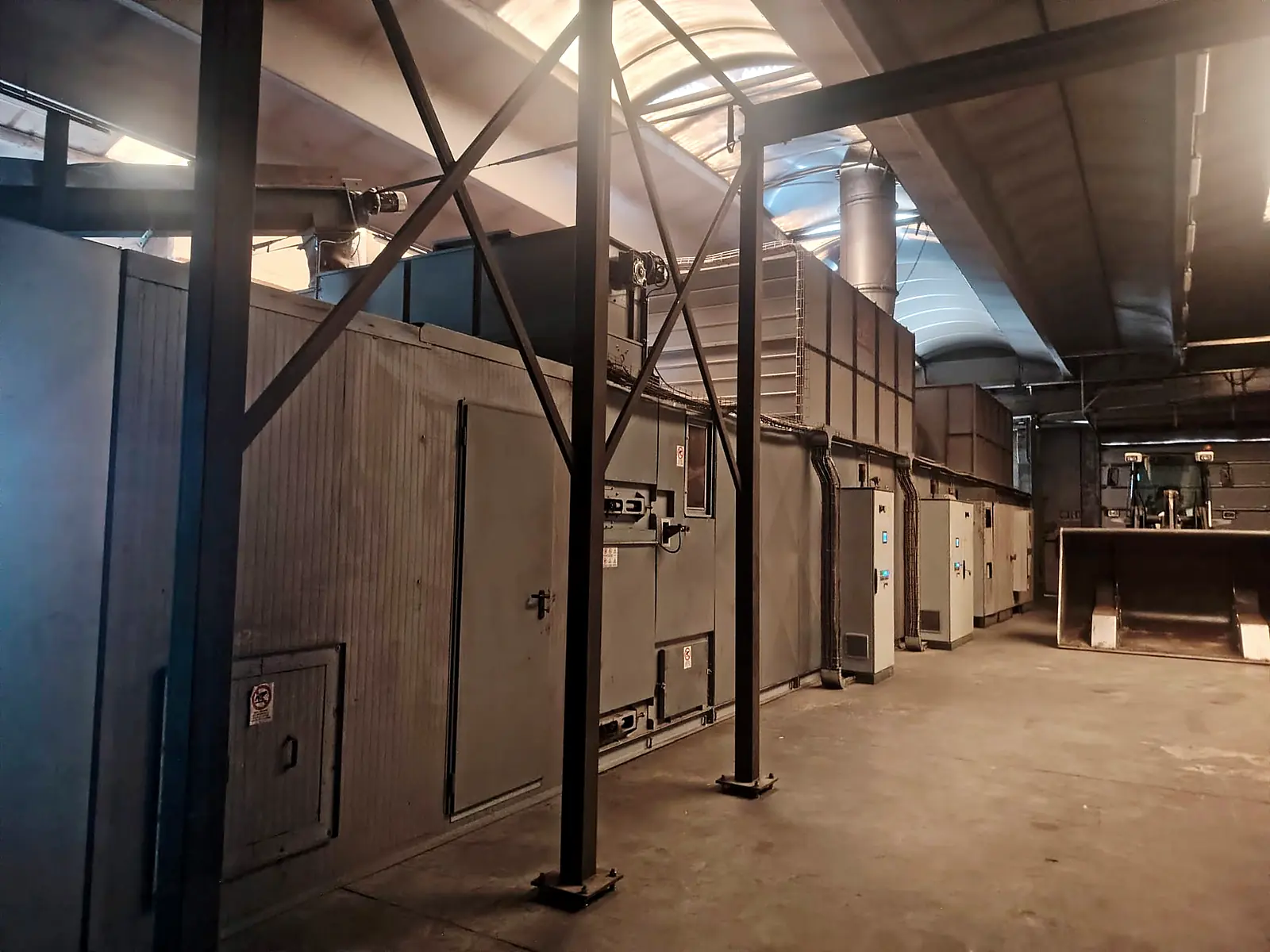
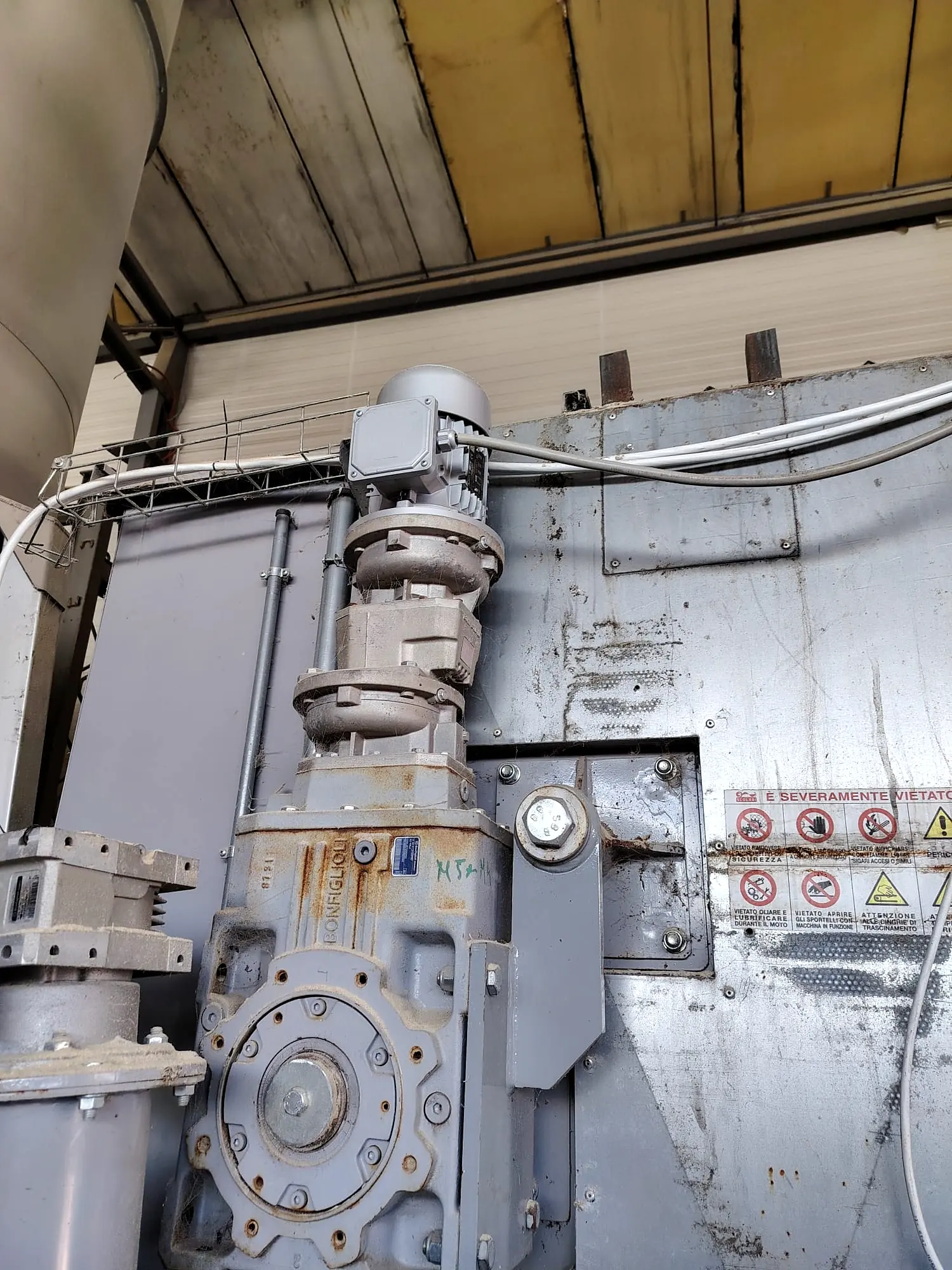
Photographs of conveying and crushing lines serviced by IVEL.
A proven method, from the call to the report.
Request
Type of line, the component involved and how long the problem has been recurring.
Assessment
We read the material and assess whether a site visit is needed or we can act straight away. We answer within 8 hours.
Intervention
We assign the technicians best suited to the type of fault and the type of line, within 24–48 hours.
Report
Documentation of what was done, and the guidance not to end up in the same place again.
What we are asked most often.
Yes: we can follow either a single component or the whole production line. The client makes that choice; it changes the scope, not the way we work. For urgent breakdowns we are on call 24/7.
Yes. IVEL Energy Group is an independent, multi-brand technical company: we are not tied to any single manufacturer, for assistance or for spare parts.
Yes: installation and commissioning are part of this area. And whoever assembled the line knows where to look when it later stops: the two jobs help each other.
Because the bearing is not the problem. When the same support fails twice the cause is nearly always alignment, tensioning or loading: until that is corrected, the spare part is a recurring expense.
We answer a request within 8 hours and attend within 24–48 hours. For urgent breakdowns we are on call 24 hours a day, seven days a week.
Across Italy and in Europe. Our operating base is in Tirano, province of Sondrio, but interventions are not limited to the Valtellina valley: we travel to where the plant is.
The type of line, the component involved and how long the problem has been recurring. If the fault is recurring, saying so changes the job: we go looking for the cause, not the part.
A conveying line
runs through half the plant.
Concrete and batching plants
Screw and belt feeders are part of a batching plant: often it is the same job seen from the other side.
Industrial automation and electromechanics
Drives, sensors and line controls: the electrical and mechanical sides of a conveyor often fail together.
Assembly, fabrication and welding
Structures, supports and steelwork: on a conveying line the structure is part of the machine, not scenery.
Multi-brand spare parts
Multi-brand rollers, bearings and gearmotors, with help finding an equivalent when the line is twenty years old.
What we need in order to open a request.
Type of line, the component involved and how long the problem has been recurring. If it recurs, saying so changes the job.
On a plant that is down, the phone is still the fastest way, even out of hours. For everything else the form reaches our office, and we reply within 8 hours.