
Hydraulic systems:
the cause before the part.
Diagnostics and repair of hydraulic systems installed on industrial machines, operating equipment, excavators, concrete batching plants and railway equipment. Pumps, hydraulic motors, directional control valves, valves, cylinders, piping and control systems.
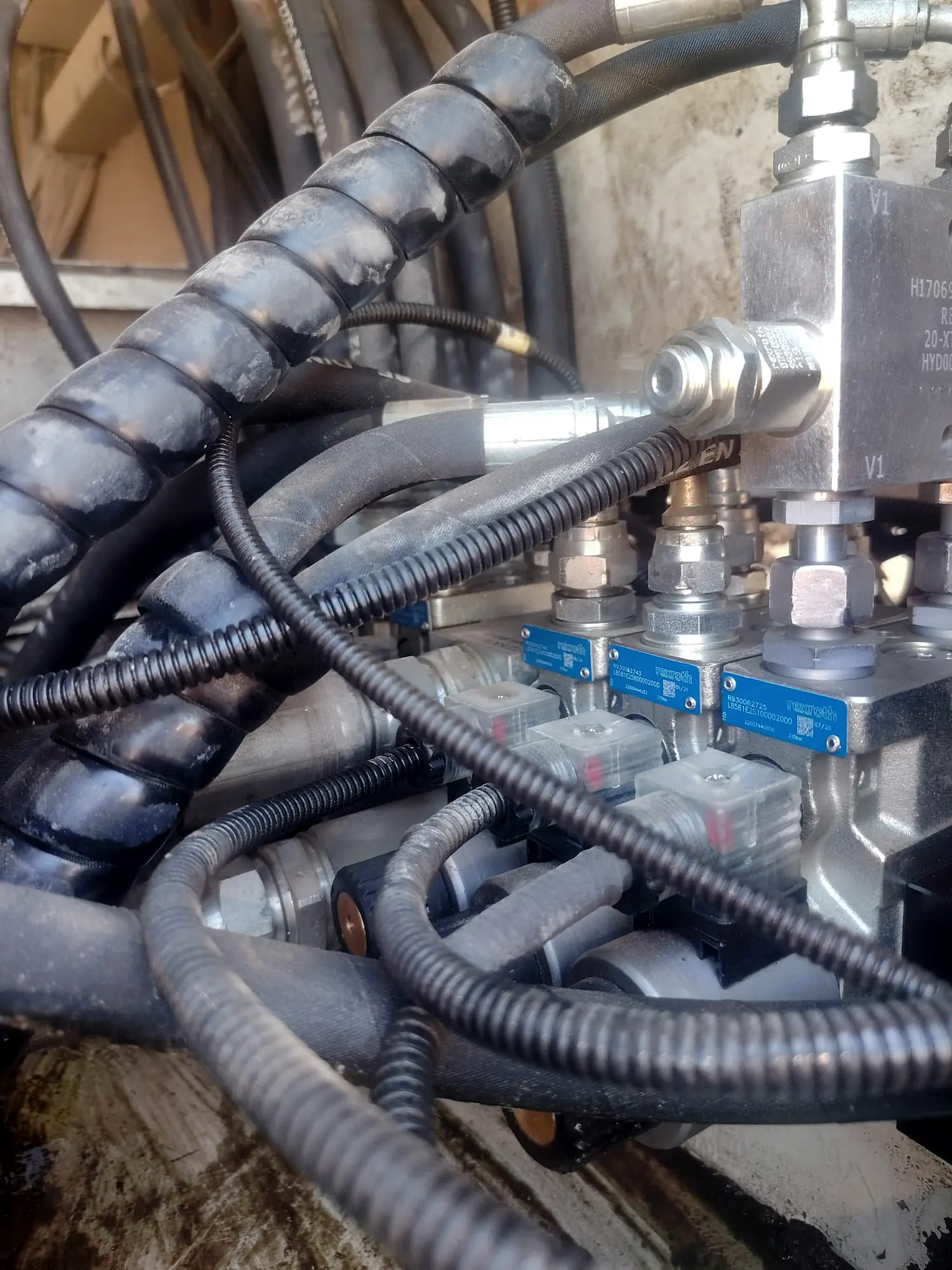
- Pressure and flowMeasured before anything is replaced
- Multi-brandIndependent of the manufacturer
- On site or in the workshopWherever the machine is
IVEL Energy Group repairs and maintains hydraulic systems on industrial machines, operating equipment, excavators and concrete batching plants: pumps, hydraulic motors, directional control valves and cylinders. The work starts from measuring pressure, flow and temperature, and the replacement comes after. We answer within 8 hours and attend within 24–48 hours, across Italy and Europe; 24/7 for urgent breakdowns.
From diagnostics in operation
to the final check.
A hydraulic system is judged by its numbers, not by how it looks. These are different activities, and almost all of them begin with a measurement.
Diagnostics in operation
Analysing the system while it runs: that is where the defect shows itself, not on a stopped machine.
Parameter analysis
Pressure, flow, temperature and machine behaviour, measured and compared with what they ought to be.
Targeted repair
Replacing the component that is actually at fault, not the one that is easiest to reach.
Overhaul of assemblies
Pumps, motors and actuators brought back to efficiency instead of replaced, when the figures say it is worth it.
Piping and seals
Renewing lines and restoring seals. A leak is not only waste: it is a symptom, and it should be read as one.
Final verification
Testing with the figures in hand, so we know — rather than hope — that the machine is back where it should be.
From the power circuit
to the control system.
Hydraulics do not live alone: a circuit that does not respond may have a hydraulic problem, an electrical command that never arrives, or a mechanical part putting up resistance. Looking at only one of them leads to replacing the wrong part.
The machines and components
- Pumps
- Hydraulic motors
- Directional control valves
- Valves and regulators
- Cylinders and actuators
- Piping and fittings
- Control systems
The systems we work on
- Mechanical systems
- Electrical systems
- Hydraulic systems
- Controls and settings
One symptom,
four possible causes.
On a hydraulic circuit a drop in performance can come from internal wear, an incorrect setting, contaminated fluid or an abnormal control signal. They produce the same symptom and call for four different interventions. The only way to tell them apart is to measure the system's actual parameters before opening anything.
Drop in performance
Pressure, flow and temperature are measured with the system running and compared with design values. The gap says where to look.
Fluid running hot
High temperature means energy is being lost somewhere: restrictions, internal bypassing, a fouled cooler, oil no longer in specification.
Jerky movement
Air in the circuit, seals bypassing, or a valve that is not modulating. The way the movement breaks up tells which of the three it is.
External leak
It is rarely just the gasket. We look at pressure peaks, vibration and alignment, because the seal gave way for a reason that is still there.
The failure that returns
If the same component fails twice, the component is not the problem. We work upstream: fluid contamination, settings, sizing, operating conditions.
Replacing by trial
costs more than measuring.
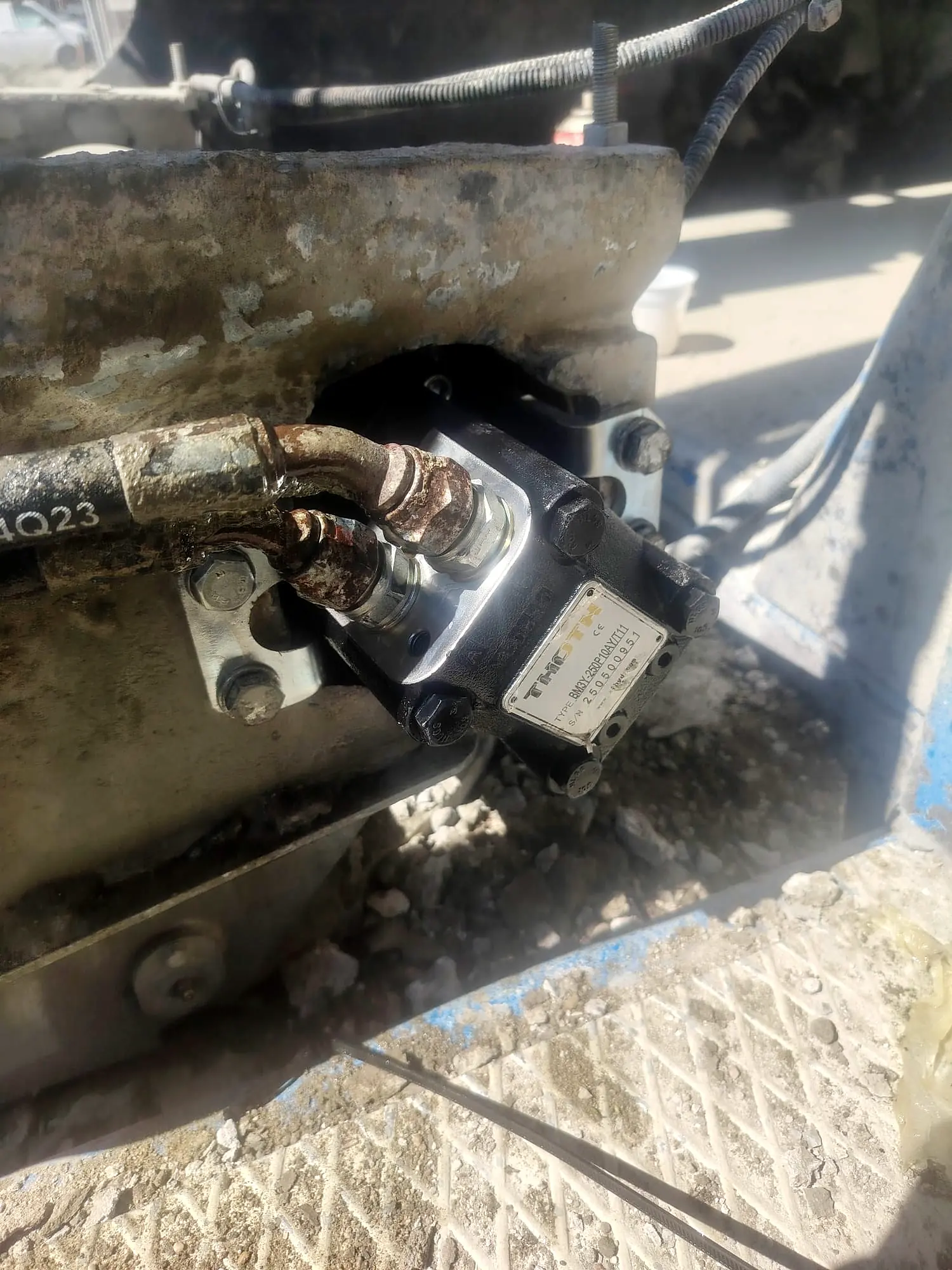
On a hydraulic circuit, replacing parts by trial is the most expensive route there is: sound components get changed, the stoppage gets longer, and in the end the fault is still there. We analyse pressure, flow, temperature and machine behaviour to identify the real cause, avoiding unnecessary component replacement.
Fewer needless parts
We change what is at fault, not what is easiest to reach.
Shorter stoppages
Arriving knowing what to look for saves a day of trial and error.
Failures that stay fixed
Correct the cause and the same part does not fail twice.
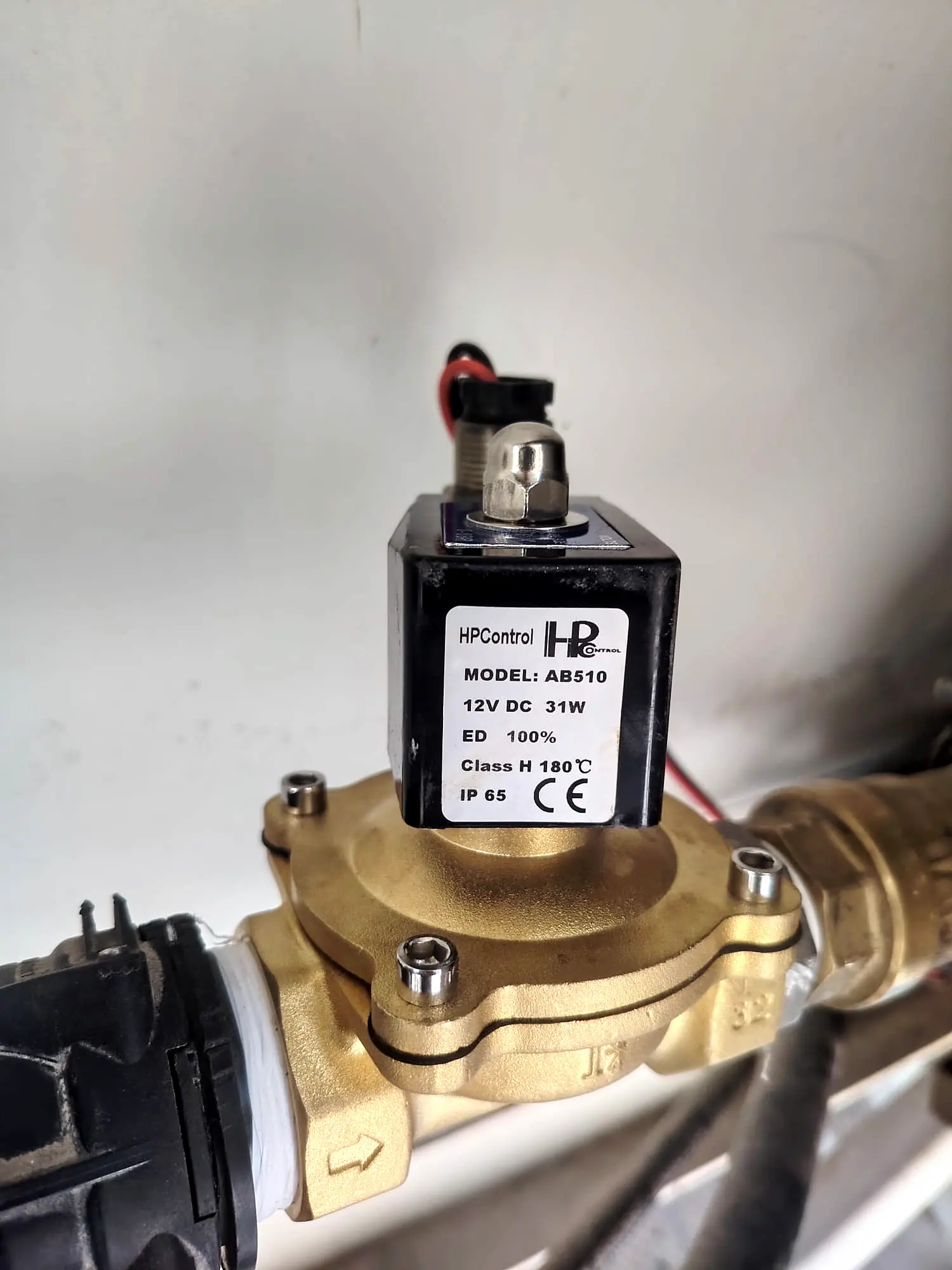
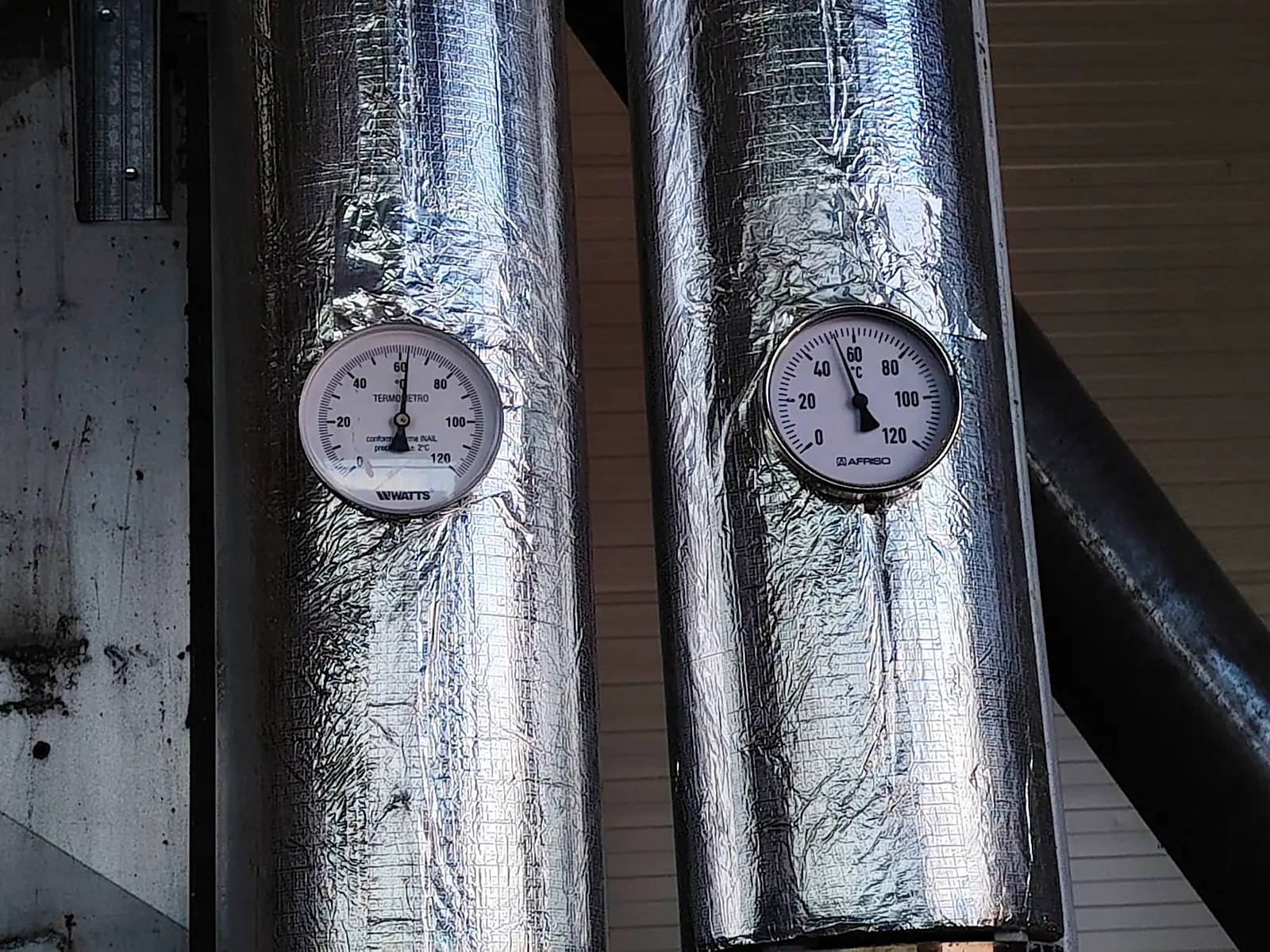
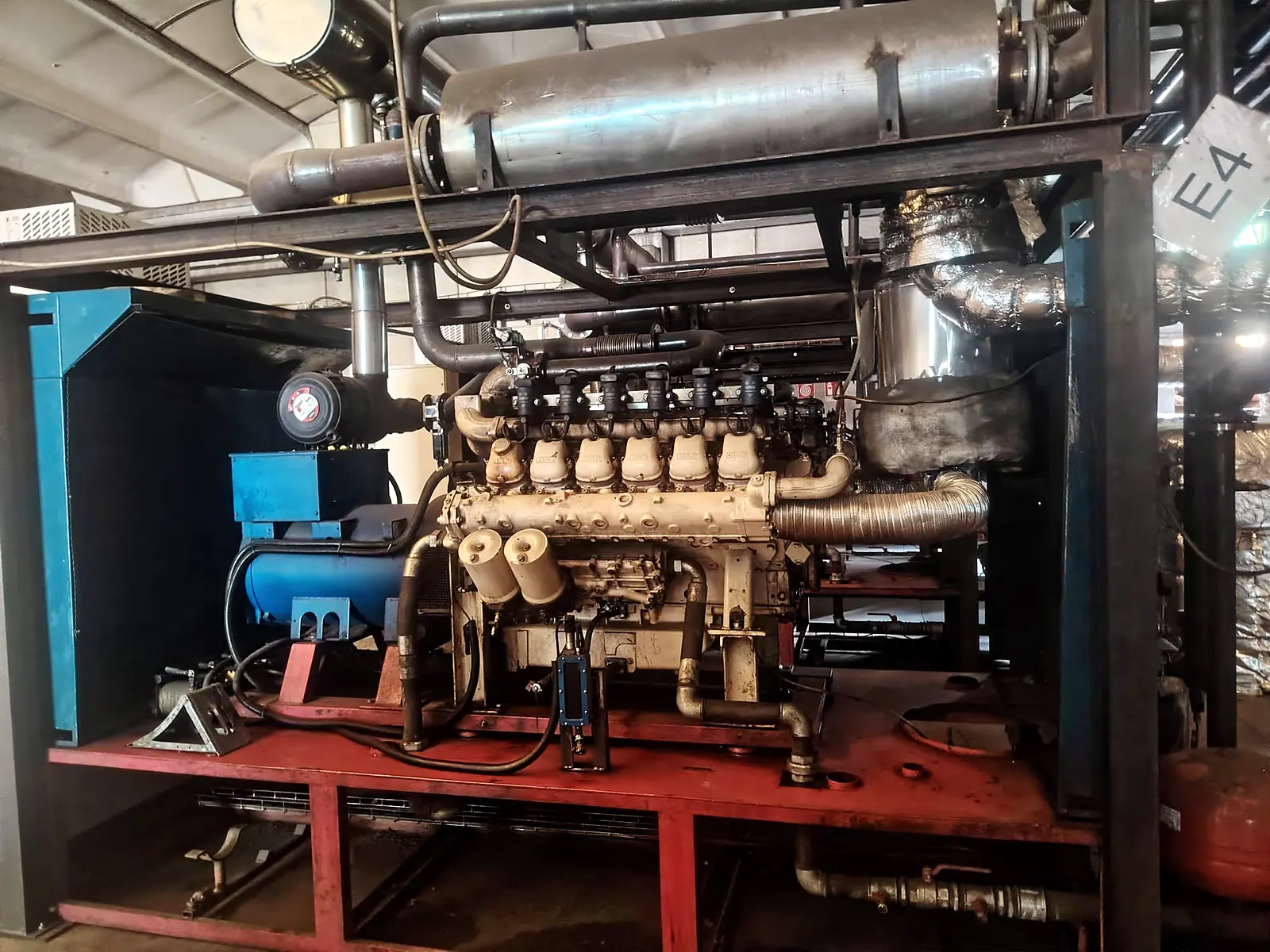
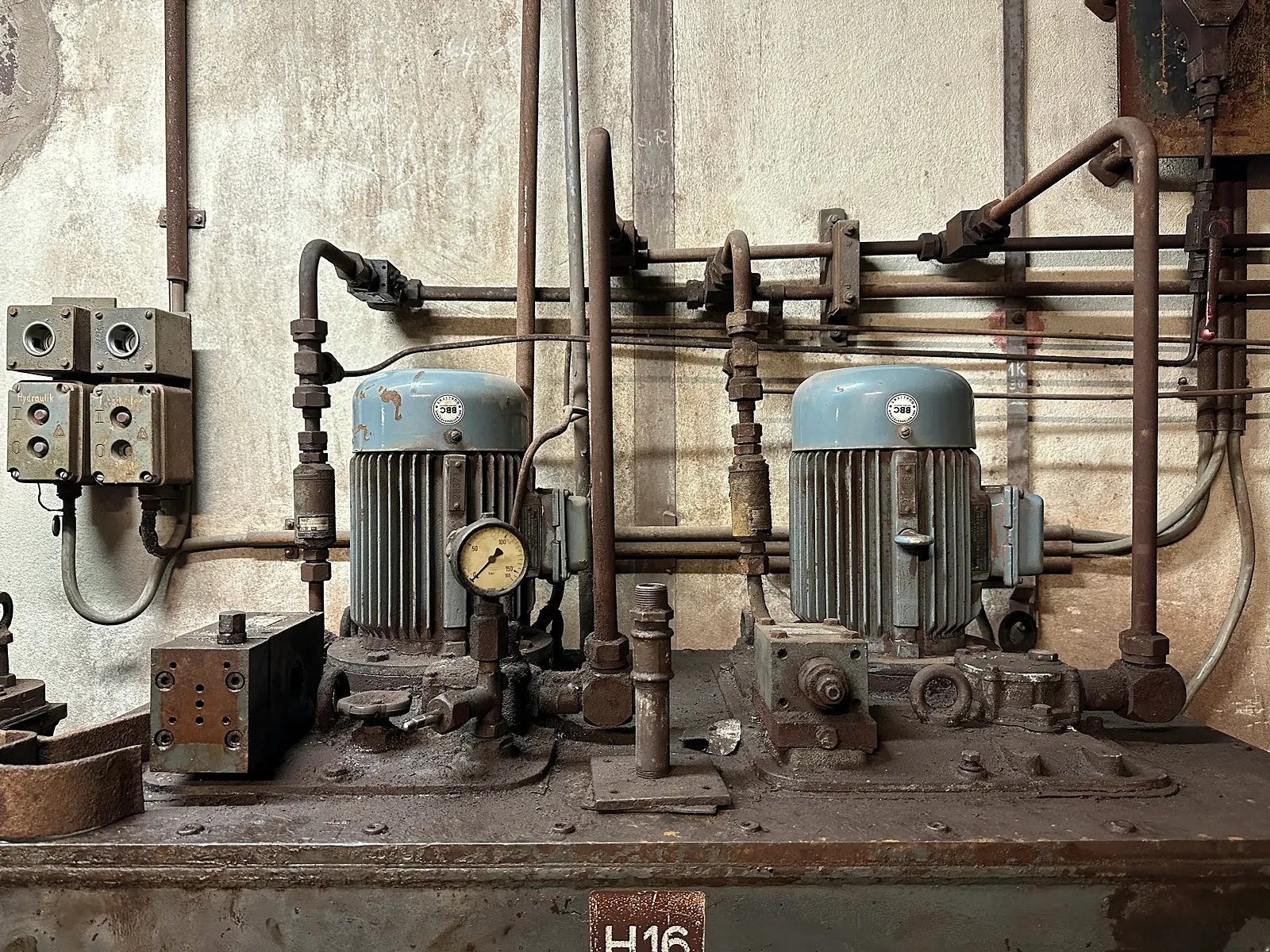
The work, as it actually looks.
Photographs of hydraulic components on machines and plants serviced by IVEL.
A proven method, from the call to the report.
Request
Machine, circuit involved and symptom observed, with photographs or a hydraulic diagram where available.
Assessment
We read the material and assess whether a site visit is needed or we can act straight away. We answer within 8 hours.
Intervention
We assign the technicians best suited to the type of circuit and the type of machine, within 24–48 hours.
Report
Documentation of what was done, and the guidance not to end up in the same place again.
What we are asked most often.
On industrial machines, operating equipment, excavators, concrete batching plants and railway equipment. Hydraulics is the same discipline on all of them; what changes is the context it works in. For urgent breakdowns we are on call 24/7.
It depends on the figures, which is why we measure first. An assembly with margin left gets overhauled; one out of tolerance gets replaced. The decision comes after the measurement, not before.
Pressure, flow, temperature and machine behaviour under load. Four values which, compared with the design figures, narrow the field before anything is taken apart.
Yes: renewing lines and fittings and restoring seals. With one caveat: a leak that keeps coming back is not a gasket problem, it is a symptom of something else.
We answer a request within 8 hours and attend within 24–48 hours. For urgent breakdowns we are on call 24 hours a day, seven days a week.
Across Italy and in Europe. Our operating base is in Tirano, province of Sondrio, but interventions are not limited to the Valtellina valley: we travel to where the plant is.
The machine, the circuit involved and the symptom. A hydraulic diagram, a photograph of the nameplate or a video of the abnormal movement is worth more than a written description.
Hydraulics sit inside
almost every other area.
Heavy equipment and earthmoving
High-pressure circuits on site machines: the context in which hydraulics work under the harshest conditions.
Presses and industrial plants
Hydraulic power units and control assemblies: on a press a cycle defect often has a hydraulic origin.
Concrete and batching plants
Hydraulic units, gates and dosing systems: the hydraulics of a batching plant are one of its four souls.
Multi-brand spare parts
Seals, gaskets and multi-brand hydraulic components, and help finding an equivalent when the original is unavailable.
What we need in order to open a request.
Machine, circuit involved and symptom. A hydraulic diagram or a video of the abnormal movement helps us assess before the site visit.
On a plant that is down, the phone is still the fastest way, even out of hours. For everything else the form reaches our office, and we reply within 8 hours.