
Railway maintenance
documented.
Maintenance and technical assistance on railway vehicles, on-track machines and equipment: inspections, diagnostics, mechanical, hydraulic and electrical repairs, planned maintenance and restoration of operating conditions.
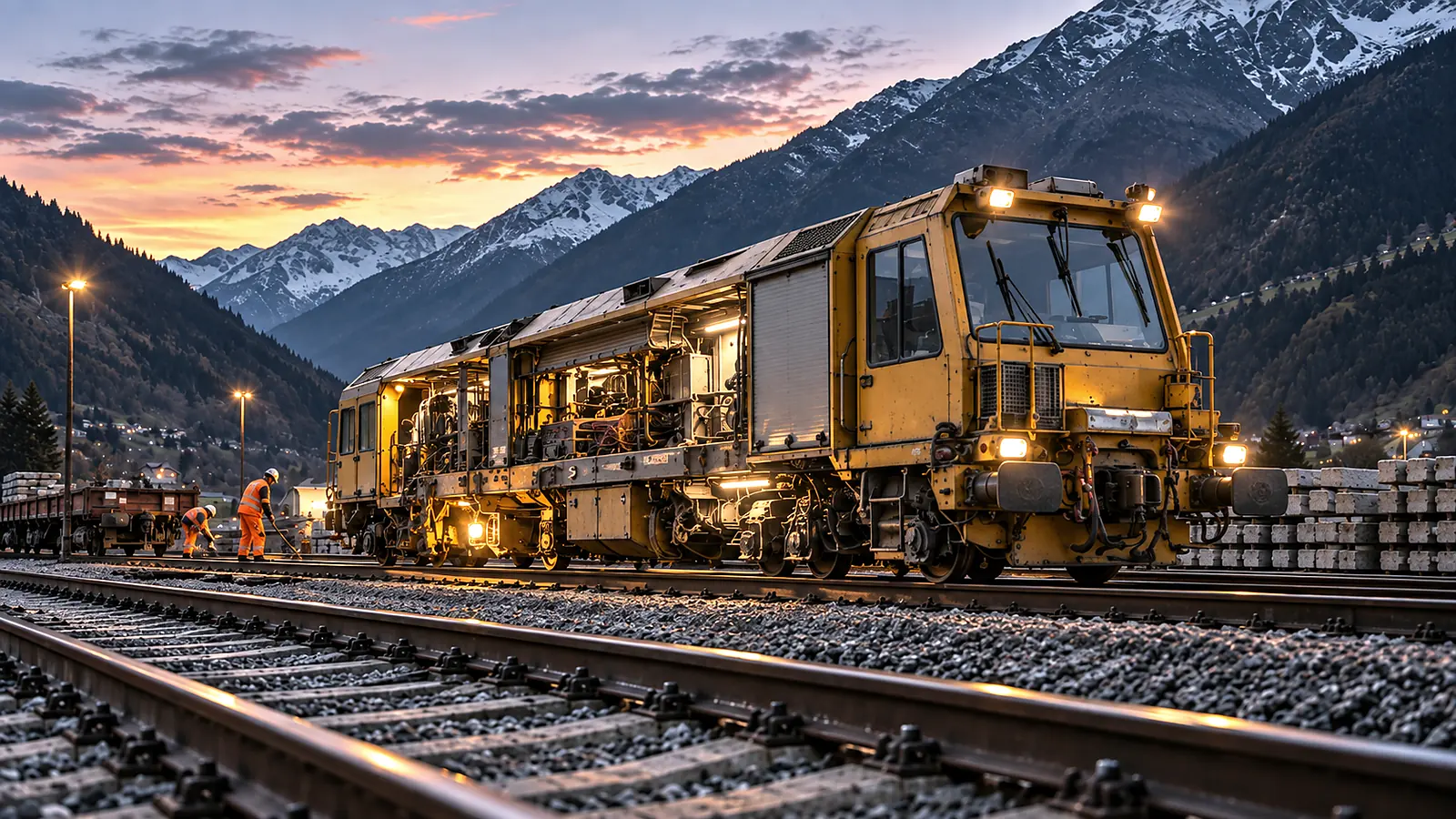
- Vehicles and on-track machinesOn rails and on site
- TraceabilityChecks, parts and results stay on record
- Multi-brandIndependent of the manufacturer
IVEL Energy Group carries out periodic inspections, diagnostics, mechanical, hydraulic and electrical repairs, planned maintenance and restoration on railway vehicles, on-track machines and worksite equipment. Every activity is organised and documented: in the railway sector the job ends when the asset can return to service, and when there is a record that it did. We answer within 8 hours, across Italy and Europe; 24/7 for urgent breakdowns.
From the periodic inspection
to the return to service.
In the railway sector the job does not end when the fault is solved: it ends when the asset can return to service, and when there is a record that it did.
Periodic inspections
The functional checks that fall due: the ones that keep the asset inside its maintenance plan instead of outside it.
Diagnostics
Locating the fault on systems where mechanical, hydraulic and electrical parts work together and rarely fail on their own.
Repairs
Mechanical, hydraulic and electrical. On rolling stock the problem almost always crosses more than one of them.
Planned maintenance
Work carried out to defined schedules, with each activity recorded as it is done, not afterwards.
Restoration
Bringing the asset back to operating condition: not only the failed part, but what the failure touched around it.
Return to service
The final checks and the documentation that let the asset go back to work on schedule.
Vehicles and on-track machines,
and four disciplines together.
On rolling stock a fault rarely stays inside one discipline: a control that does not respond can be electrical, hydraulic or mechanical, and telling them apart means looking at all of them together. We cover all four, so the client deals with one contact.
The machines and components
- Railway vehicles
- On-track machines
- Railway worksite equipment
- On-board hydraulic units
- Electrical and control systems
- Mechanical assemblies and drives
- On-board components and fittings
The systems we work on
- Mechanical systems
- Electrical systems
- Hydraulic systems
- Automation and controls
Isolate first,
replace afterwards.
Rolling stock works under vibration, damp and swings in temperature, and those three enemies leave different traces from an outright failure. An intermittent fault is not solved by reading the error code: it is solved by elimination, measuring what can be measured and taking one discipline off the table at a time.
Loss of force on the on-board hydraulics
We measure pressure, flow and temperature, and check seals, filtration and fluid contamination before opening the unit.
A fault that comes and goes
On rolling stock vibration and damp work against the contacts. We check connectors, terminal blocks and cable runs before looking at the boards: that is where intermittency almost always starts.
Noise or vibration in the drive
Bearings, alignment and play. The noise says where to look better than a warning light does: it changes with load and speed, and that change is the clue.
A control that does not respond
It can be electrical, hydraulic or mechanical and give the same symptom. We separate the signal from the actuation: if the command arrives and nothing happens, the problem is downstream.
The asset cannot return to service
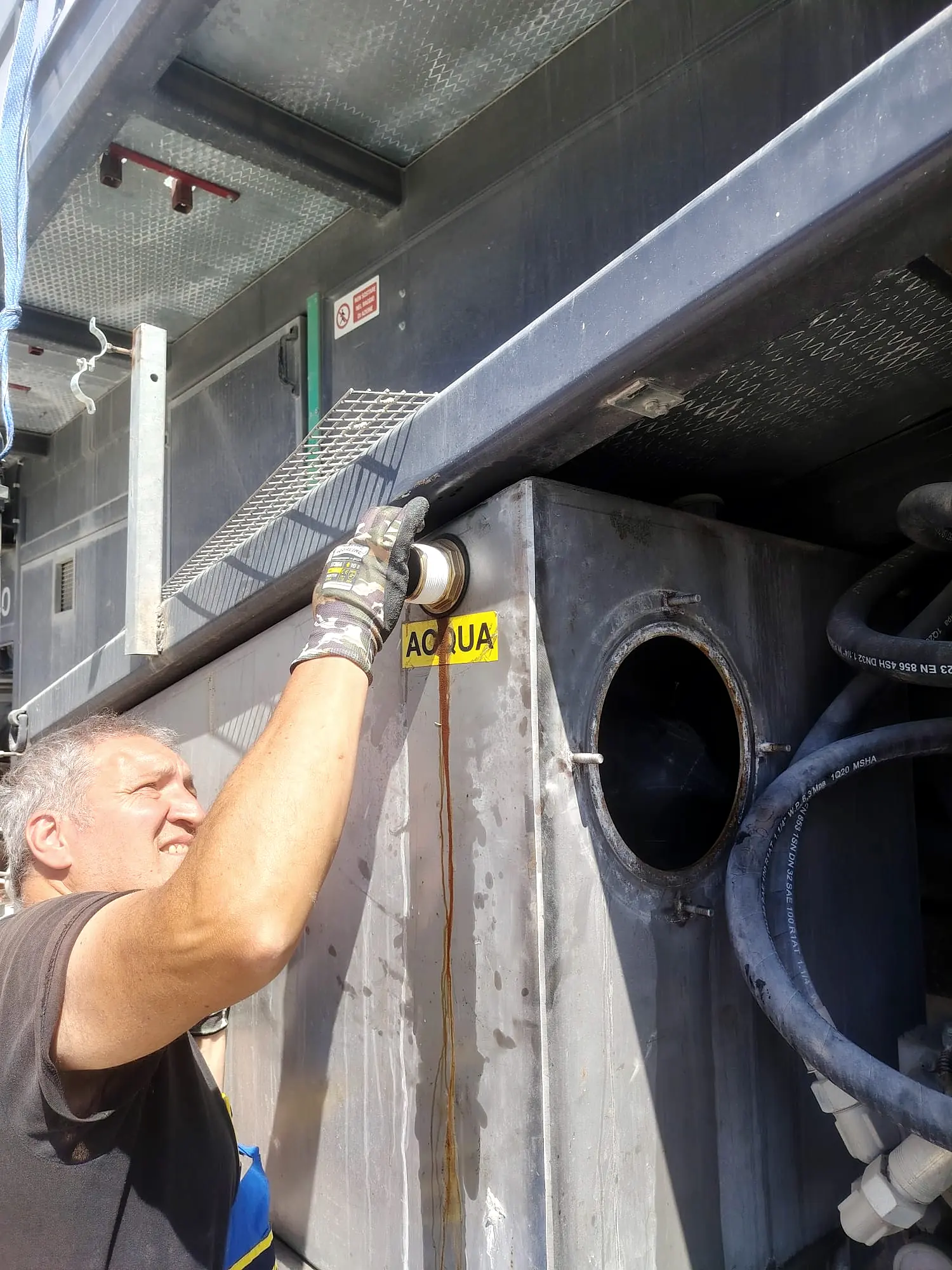
Sometimes it is not the repair that is missing: it is the paperwork. Recorded checks, parts used and functional results are as much a part of the job as the spanner.
Safety and traceability
are part of the job.
In the railway sector a job does not end with the repair: it ends when it is recorded. Every activity is organised, documented and carried out with particular attention to safety, traceability and the reliability of the asset — and that changes the way the work is done, not only the way it is written up.
Back on schedule
A maintenance plan holds only if the asset returns when it is due.
Safety
Protecting people and equipment comes before everything else.
Traceability
Checks, parts and results stay on record: they are needed later.
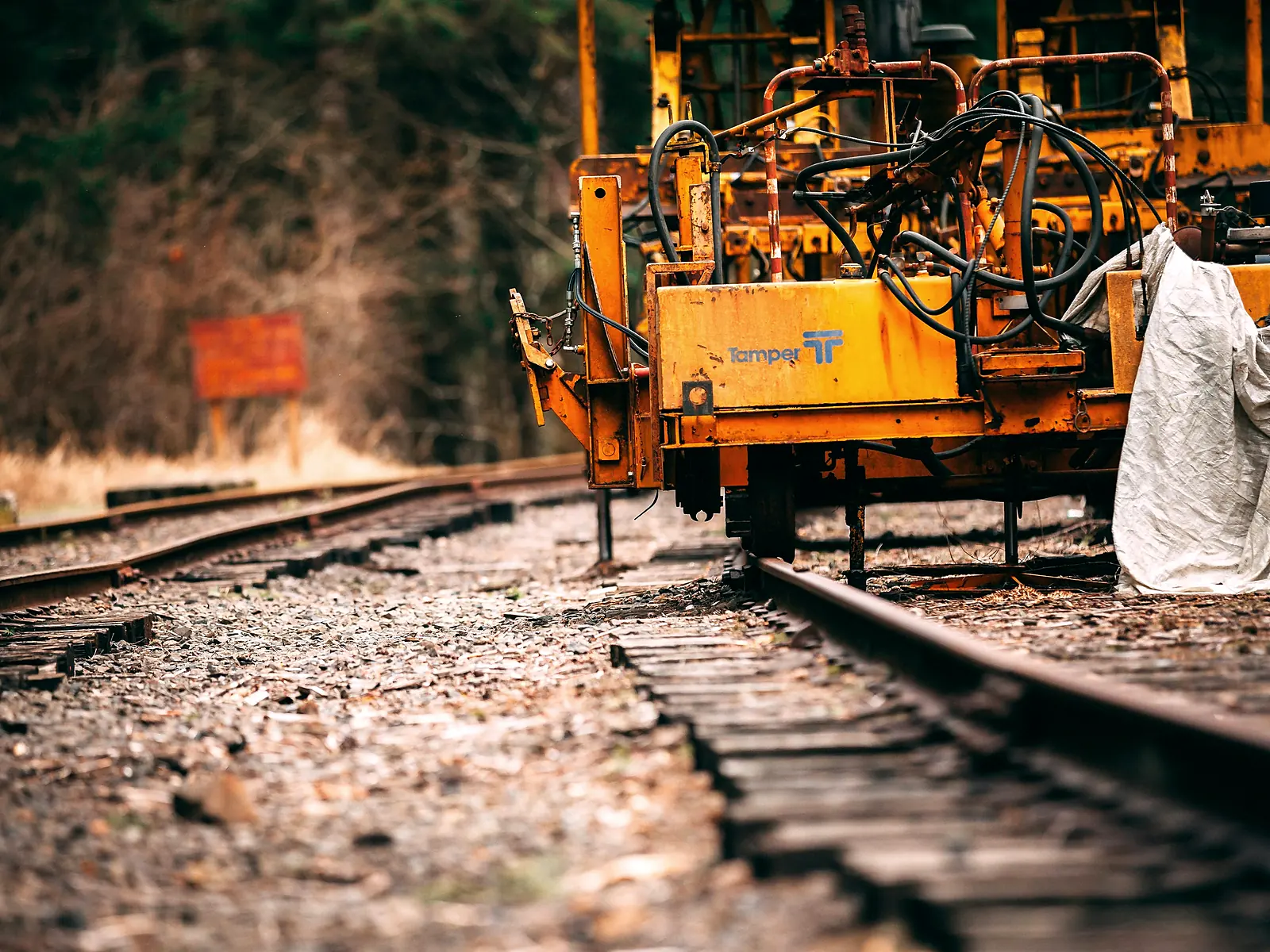
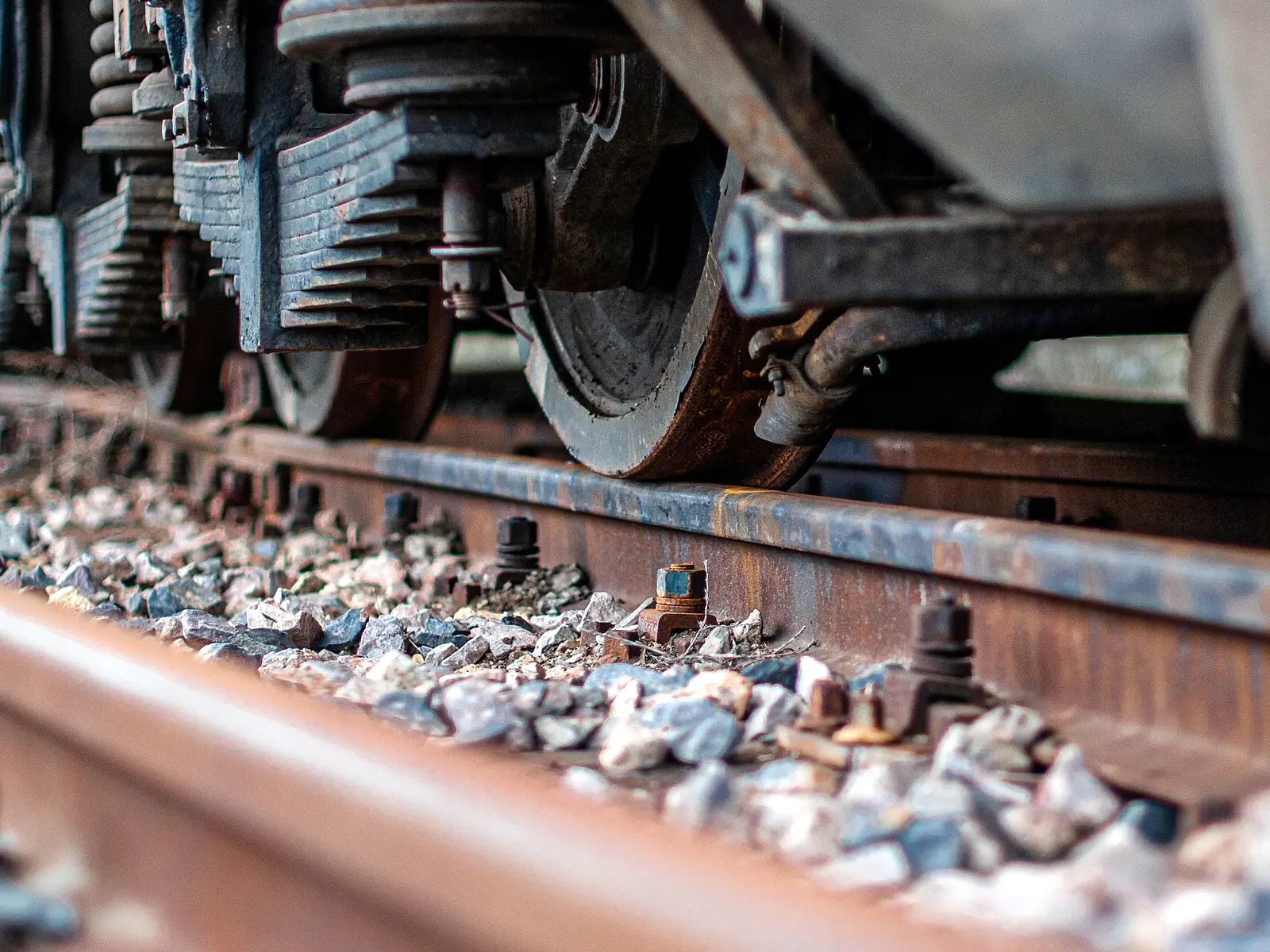
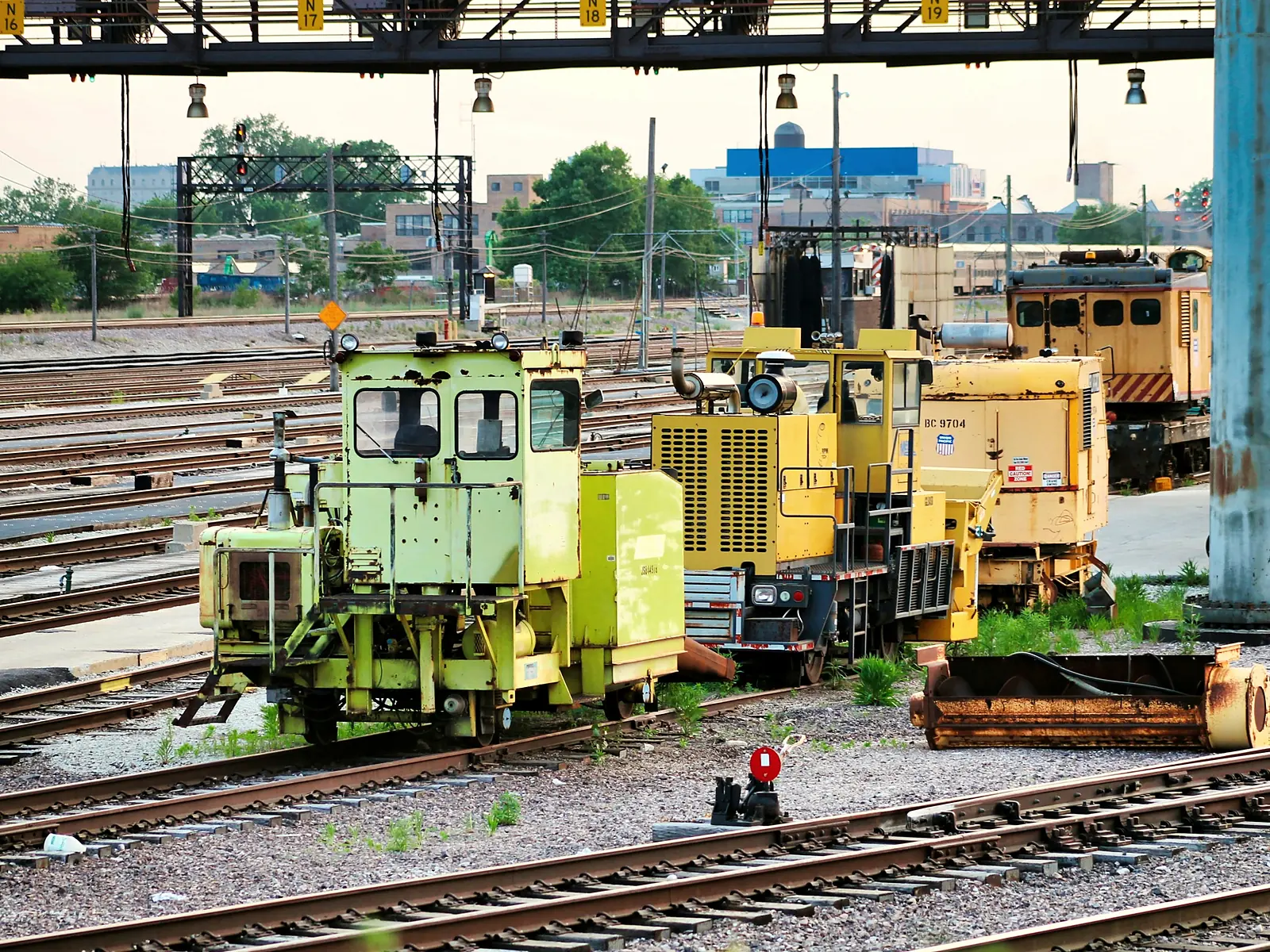
The machines, up close.
Rail vehicles and on-track machines: the equipment the railway division works on.
A proven method, from the call to the report.
Request
Type of asset and the problem observed, with photographs or documentation attached.
Assessment
We read the material and assess whether a site visit is needed or we can act straight away. We answer within 8 hours.
Intervention
We assign the technicians best suited to the type of fault and the type of asset.
Report
Documentation of what was done, and the guidance not to end up in the same place again.
What we are asked most often.
On railway vehicles, on-track machines and railway worksite equipment. The activities include inspections, diagnostics, mechanical, hydraulic and electrical repairs, planned maintenance and restoration of operating conditions.
The railway division is built on technical experience and on ECM competences developed in the sector: our technical lead is trained as an ECM Expert for railway vehicles (CIFI, 2025). Every activity is organised, documented and carried out with attention to safety, traceability and the reliability of the asset.
Both. In the workshop or depot for planned work, on the track worksite for assistance to on-track machines during possession windows, and in urgency when an asset has to be back in service on time.
By recording the activities carried out and documenting checks, parts used and functional results. In the railway sector traceability is not paperwork for its own sake: it is the part of the job that lets the asset return to service.
Yes, to defined schedules. It is how a fleet stays predictable: the work is planned, recorded, and not chased after the fact.
We answer a request within 8 hours and attend within 24–48 hours. For urgent breakdowns we are on call 24 hours a day, seven days a week.
Across Italy and in Europe. Our operating base is in Tirano, province of Sondrio, but interventions are not limited to the Valtellina valley: we travel to where the asset is.
The type of asset, the problem observed and, where available, the technical documentation. Photographs and video help us assess before the site visit, and often let us arrive with the right part already in hand.
An asset on rails
is several disciplines at once.
Hydraulic systems
Pumps, hydraulic motors, directional control valves and cylinders: on-board hydraulic units are an area of their own, and IVEL covers them outside the railway sector too.
Heavy equipment and earthmoving
Engines, hydraulic systems, mechanical and electrical parts: the same competences apply to operating machines, on rails and off.
Industrial automation and electromechanics
Electrical panels, sensors, motors, inverters and safety systems: on-board control systems belong to this family.
Multi-brand spare parts
The multi-brand spare part, and help identifying the correct component when the asset is down and the code cannot be found.
What we need in order to open a request.
Type of asset, the problem observed and, where available, the technical documentation. Photographs and video help us assess before the site visit.
On a plant that is down, the phone is still the fastest way, even out of hours. For everything else the form reaches our office, and we reply within 8 hours.